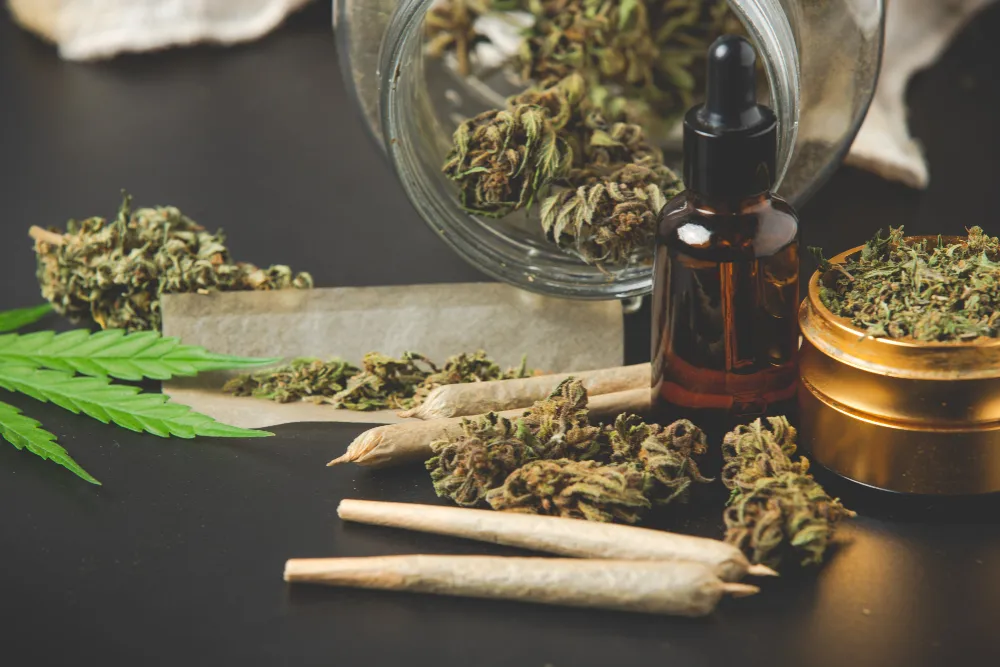
About 256 million people worldwide used cannabis in 2024, according to the 2026 World Drug Report by the United Nations Office on Drugs and Crime (UNODC). Cannabis (marijuana) use has increased in recent years, alongside growing social acceptance and changes in legislation and decriminalization policies.
High blood pressure (hypertension) is an important risk factor for heart disease, kidney disease, and stroke. While you’re using cannabis to unwind, you might wonder whether it’s affecting your blood pressure and, in turn, your cardiovascular health.
The answer isn’t straightforward. Cannabis can both raise and lower blood pressure, depending on the cannabinoids it contains, the dose, how it is used, and how your body responds.
How does cannabis affect blood pressure?
Cannabis contains hundreds of chemical compounds, including two well-known cannabinoids that affect blood pressure differently: tetrahydrocannabinol (THC) and cannabidiol (CBD).
Short-term effects of cannabis on blood pressure.
In a 2024 study of 22 healthy cannabis users, researchers found that vaporizing 100 milligrams (mg) of CBD-predominant cannabis had no significant short-term effects on blood pressure and heart rate.
On the other hand, smoking or vaporizing 100 mg of THC-predominant cannabis caused immediate spikes in cardiovascular activity. Both systolic blood pressure (the top number of a blood pressure reading) and diastolic blood pressure (the bottom number) increased by about 5 mmHg. The heart rate increased by about 15 beats per minute (bpm).
At low to moderate doses, THC produces these effects by stimulating the sympathetic nervous system (responsible for your “fight or flight” response), making your heartbeat faster and harder, thereby raising blood pressure.
At higher doses, THC’s effects often happen in two phases. After the initial spike, activation of the parasympathetic system (the “rest and digest” mode) can follow, causing a drop in blood pressure. This explains why some people feel dizzy or faint, especially when moving from a sitting or lying position to standing.
A 2025 research paper examining CBD’s effects on blood pressure found similar results. It included four studies involving 104 participants. CBD intake caused a small but statistically significant reduction of about 1 mmHg in systolic pressure, with no significant reduction in diastolic pressure.
In one study, involving people with mild or moderate primary hypertension, longer-term oral CBD use was associated with reductions of about 7 mmHg in systolic pressure and 5 mmHg in diastolic pressure.
Similarly, a 2026 systematic review of four trials involving 120 participants found that oral CBD (225 to 60 mg daily) reduced systolic and diastolic pressure in people with and without hypertension. Higher doses were associated with greater short-term reductions.
Cannabis-infused foods and drinks take longer to produce effects, but these effects can last longer than those of inhaled cannabis. Like inhaled cannabis, their effects on blood pressure heartbeat depend on the cannabinoids they contain and their quantity.
Does regular cannabis use cause chronic high blood pressure?
Current evidence suggests there is no clear link. Two large observational studies have given us the best long-term picture so far.
In the CARDIA study, researchers followed 4,328 Black and White young adults for 35 years, tracking cumulative lifetime cannabis use (measured in cannabis-years) and new hypertension diagnoses. Their findings, published in a 2025 paper, showed no significant association between cannabis years and new-onset hypertension.
Another paper published in 2024 analyzed data from 3,255 racially and ethnically diverse older adults enrolled in the MESA study. The researchers also found no significant association between a history of regular cannabis smoking and higher blood pressure or an increase in the proportion of participants with hypertension. This remained true even after accounting for age, sex, race/ethnicity, and cigarette smoking.
Importantly, both studies relied on self-reported cannabis use, which may be inaccurate. They were also observational studies which cannot establish cause and effect. Also, cannabis used today can contain much higher THC concentrations than products used during much of the CARDIA study’s follow-up period.
Is it safe to use cannabis while on blood pressure medication?
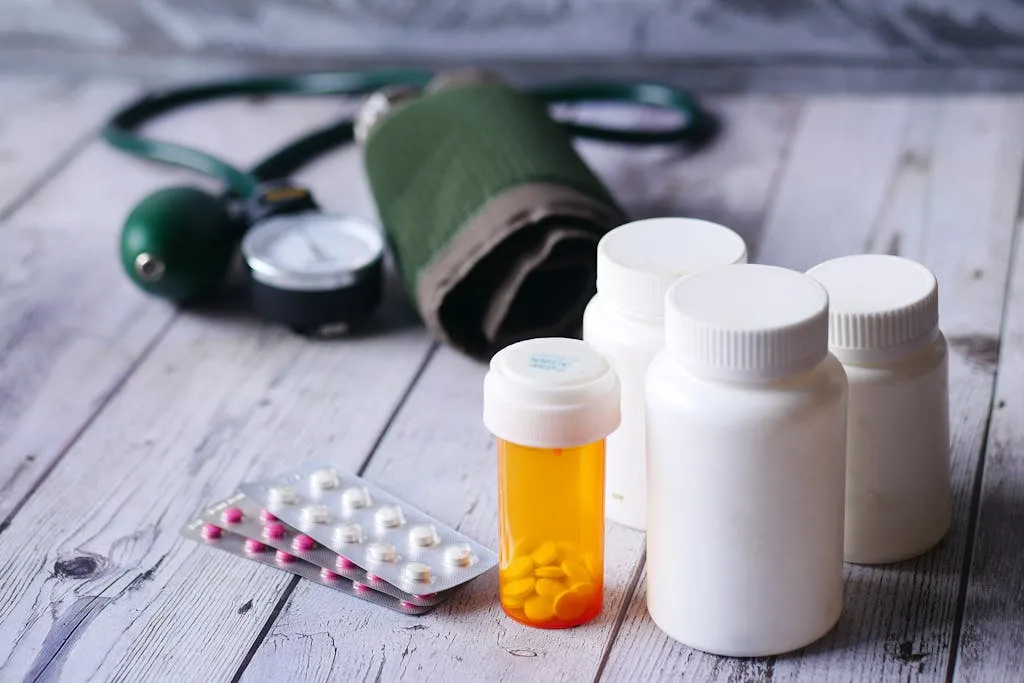
It depends on the blood pressure medication, the cannabis product, its dose, and how often you use it. You should speak to your doctor or pharmacist before using cannabis or CBD products alongside blood pressure medicine because:
- Cannabis, particularly CBD, can lower blood pressure, especially when taken over a long period of time or at high doses. This effect may overlap with that of your antihypertensive medications and cause your blood pressure to drop too low.
- CBD can also affect the liver enzymes responsible for breaking down certain blood pressure medications, such as amlodipine and losartan. Higher blood levels of these medications may also contribute to dangerously low levels of blood pressure.
Does cannabis withdrawal also affect blood pressure?
Yes, quitting heavy daily cannabis use can affect the body’s stress response, potentially influencing blood pressure.
A small inpatient study of 13 daily cannabis users found that systolic blood pressure increased by about 10 mmHg, while diastolic increased by about 7 mmHg during periods of abstinence compared with periods of their usual cannabis use. In a subset of six participants, the increases were substantial i.e., up to 22.8 mmHg systolic and 12.3 mmHg diastolic.
In a nutshell
Cannabis (marijuana) can both raise and lower blood pressure. It depends on the cannabinoid, dose, route of use, frequency, and individual response. Long-term use has not shown to increase the risk of chronic hypertension. However, that doesn’t mean it’s entirely safe for your heart if you have existing hypertension or heart disease.
Ultimately, cannabis should not be considered a treatment for high blood pressure, and anyone taking antihypertensive medication should discuss cannabis use with their healthcare provider.