Hypertension and diabetes are two of the most common chronic conditions worldwide. An estimated 1.4 billion adults aged 30–79 years have high blood pressure, and 589 million adults aged 20–79 years live with diabetes. Both conditions significantly increase the risk of cardiovascular disease, yet may people go undiagnosed.
A team of researchers at the University of Tokyo and Institute of Science Tokyo set out to explore whether AI analysis of facial videos could offer a quick, accurate alternative to the standard screening tests.
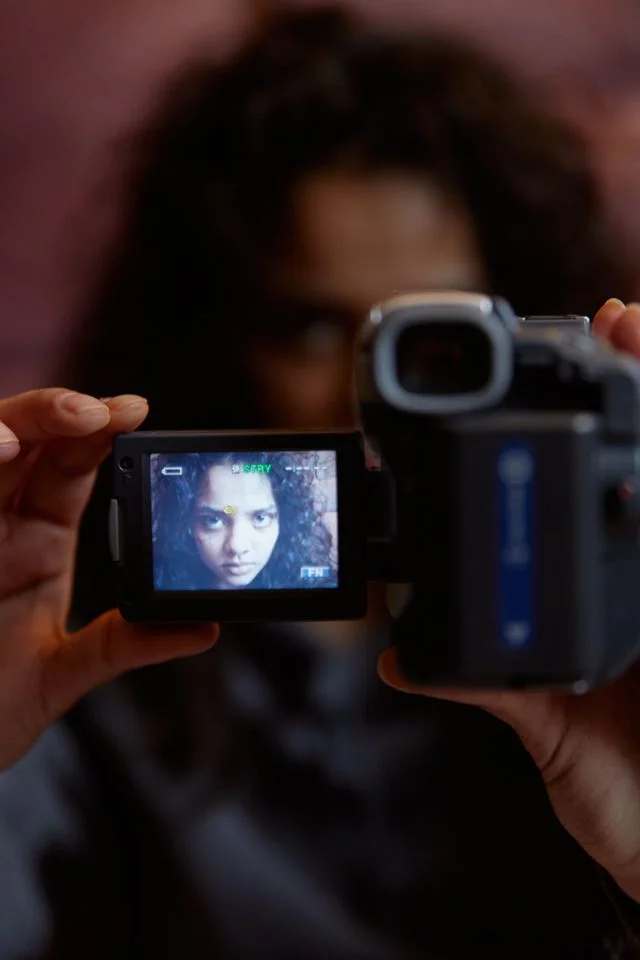
The researchers conducted a prospective study with 215 participants, including patients with diagnosed conditions and healthy volunteers. Each participant had a short, high-speed video recording taken of their face and palms using a spectroscopic camera. They underwent conventional blood tests and cuff-based readings to confirm their diabetes and blood pressure status.
A machine learning algorithm analyzed the recorded videos and extracted data on pulse-wave dynamics (which reflect the stiffness of arteries), skin blood flow patterns, and the spectral characteristics of skin coloring.
What the algorithm achieved
The results showed that the AI could detect both conditions from video recordings as short as five seconds.
For hypertension, the algorithm achieved 95.0% accuracy from a thirty-second recording using pulse-wave analysis of both face and palm videos. Accuracy remained high at 90.3% even with the five-second recordings.
For diabetes, the algorithm detected the condition with 88.2% accuracy from a thirty-second video and 81.2% from a five-second video, based on facial blood flow patterns.
The algorithm also estimated systolic blood pressure from facial video alone, without cuff measurements. On average, its estimates were off by just -2.6 mmHg, well within the ±5.0 mmHg limit considered acceptable by standards set by the American Association for the Advancement of Medical Instrumentation (AAMI) and International Organization for Standardization (ISO). However, the variation between individual readings was wider: the standard deviation of ±12.00 mmHg exceeded the ±8.0 mmHg criterion. This means that although the system works well on average, it can be significantly off for some individuals.
From a hospital camera to your smartphone?
Not yet. Before considering this a replacement for your doctor or home monitor, it is important to look at what the study doesn’t prove. Its limitations are:
- The sample size (215 participants) is small, and all were recruited at a single institution in Japan. The algorithm performed well on this group, but its results may not generalize to people of different ages, ethnicities, or skin tones without further training. The research team acknowledges this and plans to test the system on a larger, more diverse population.
- While 81–95% accuracy sounds impressive, that still leaves a meaningful margin of error. For diabetes detection, 1 in 5 people could receive an incorrect result. And for blood pressure estimation, the wide standard deviation of ±12.0 mmHg means the system might give a reading that is off by more than 10 points for some individuals.
- The study used a specialized spectroscopic camera, not a standard smartphone camera. The researchers note that smartphone cameras capture only three color channels (red, green, and blue), whereas the equipment used here captured a broader spectrum. Translating this to everyday phones would require additional development.
- This is a screening tool, not a diagnostic one. A positive result on this test would still need confirmation through cuff measurements, blood glucose, or A1C tests.
The Bottom line
Even though the study shows promise, this is algorithm cannot replace a blood test or blood pressure cuff yet. Also, the study’s results cannot be generalized. Larger and more diverse studies are still needed. If the results hold up, however, a simple camera could one day help find people who require further testing—without a clinic visit, cuff, or blood sample.