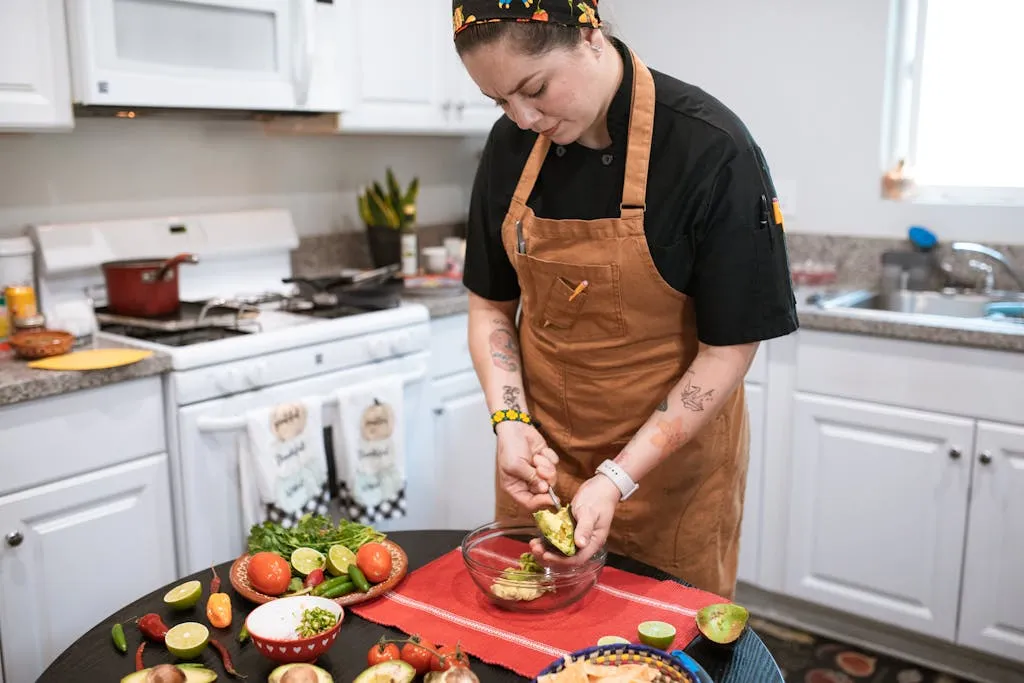
A low-sodium diet is an eating pattern that limits how much of the mineral you consume every day.
Sodium is an essential mineral in the body. It helps maintain normal blood volume, regulates blood pressure, supports cellular function, and enables nerves to transmit signals.
While it can be found naturally in a lot of foods, most people consume far more sodium than is recommended, mainly from processed and packaged goods. Therefore, watching sodium intake is a necessary habit if you have certain medical conditions or are simply aiming to improve your overall health.
What are the benefits of lowering sodium intake?
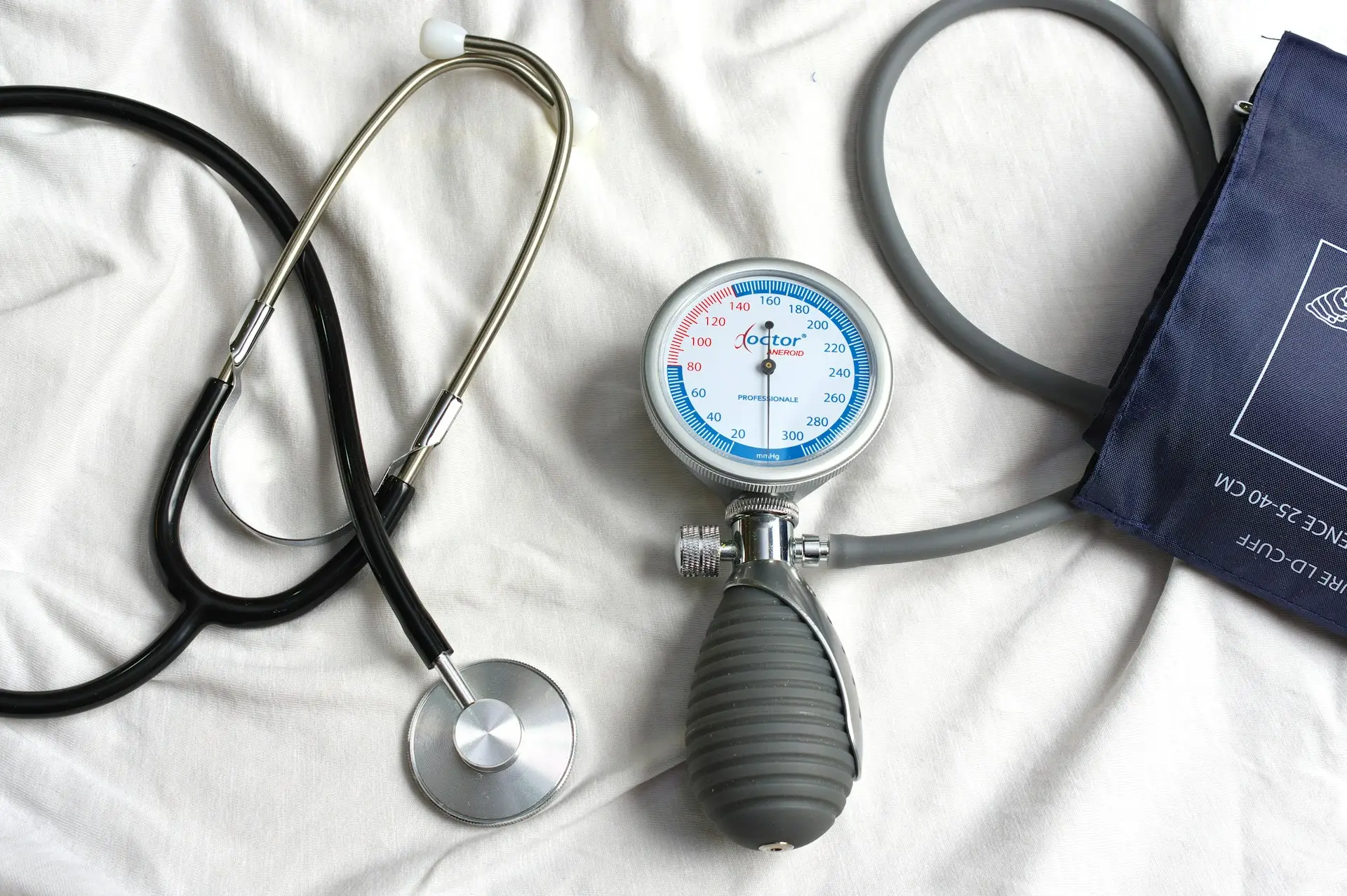
High sodium intake causes the body to retain more water, which increases the volume of blood in your blood vessels and raises your blood pressure. Thus, lowering sodium intake helps to prevent and manage high blood pressure (hypertension).
Low-sodium intake also helps to delay progression and relieve symptoms in conditions where there is fluid buildup, such as:
- Heart failure
- Kidney disease
- Ascites, a condition where there is abnormal accumulation of fluid in the abdomen.
Reducing salt-rich foods as part of a low-sodium diet may help lower the risk of stomach cancer.
While sodium itself doesn’t contain calories, foods high in sodium are typically highly processed and calorie-dense. Cutting back on sodium can lead to healthier eating habits and better weight control.
How much sodium do I need to consume?
The average adult consumes about 4,310 mg of sodium per day, according to the World Health Organization (WHO). That is more than double the WHO-recommended daily intake of less than 2,000 mg per day.
The American Heart Association (AHA) recommends limiting sodium intake to less than 2,300 mg (about 1 teaspoon of salt) per day. For those with high blood pressure, the ideal target is a sodium intake of less than 1,500 mg per day.
When talking about a low-sodium diet, salt is often used instead of sodium. That’s because salt is the main source of sodium in our diets—whether it’s added to home-cooked meals or found in processed and packaged goods. Salt itself is made up of about 40% sodium and 60% chloride.
Food choices to make on a low-sodium diet
Easting less sodium doesn’t mean giving up flavor or satisfying foods. Below are simple food swaps you can make daily to help reduce your sodium intake while enjoying nourishing meals.
Swap canned and pickled for low-sodium
Avoid: Regular canned soups, vegetables, and vegetable juices
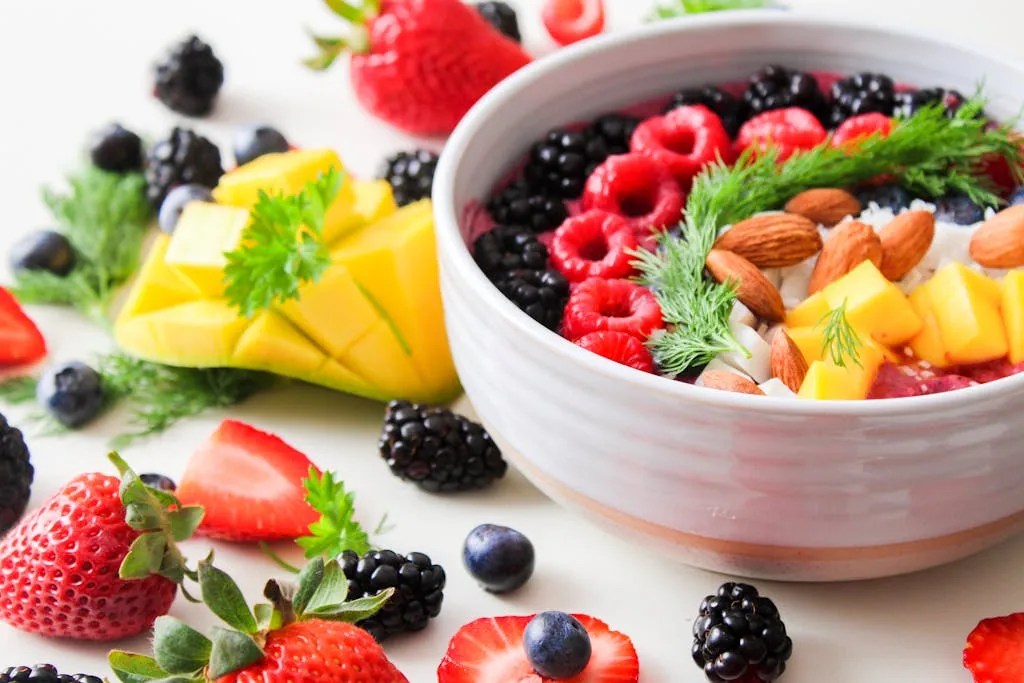
Choose instead: Low-sodium versions and fresh or frozen produce
Swap processed meats for fresh protein
Avoid: Bacon, deli meats, sausages, hot dogs, and canned sardines
Choose instead: Eggs, fresh chicken, turkey, fish, or lean cuts of beef and pork without added sauces or seasoning
Swap salty snacks for naturally flavorful options
Avoid: Chips, salted crackers, flavored popcorn, salted nuts, and salted pretzels
Choose instead: Unsalted nuts, air-popped popcorn, rice cakes, unsalted pretzels, fresh fruit, and unsalted seeds
Swap fast food for homemade meals
Avoid: Burgers, fries, pizza, tacos, and wraps
Choose instead: Home-cooked meals where you can control the amount of salt. Use whole grains, vegetables, and lean proteins.
Swap flavor-packed condiments for healthier seasonings
Avoid: Soy sauce, ketchup, barbecue sauce, and bottled salad dressings
Choose instead: Vinegar, mayonnaise, and low-sodium seasonings, such as garlic, basil, chives, dill, lemon juice, paprika, rosemary, sage, parsley
Swap processed cheese and spreads for fresh dairy
Avoid: Cheese spreads, processed cheese slices, and salty hard cheeses
Choose instead: Plain yogurt, fresh mozzarella, milk, or low-sodium cottage cheese
Simple tips to help you maintain a low-sodium diet
Lowering sodium intake can feel overwhelming at first, but small changes slowly add up to big benefits. Here are practical tips to help you support your low-sodium lifestyle.
- Cut back on salt gradually. This helps your taste buds adjust and makes adapting to the diet more natural and manageable.
- Cook more meals at home. Homemade meals give you more control over how much salt goes into your food.
- If you have to eat out, plan ahead of time. Check the restaurant menu online and select low-sodium dishes if available. You can also ask for sauces and dressings on the side, and request that your food be prepared with little or no added salt.
- Taste foods before adding salt to make sure you aren’t adding salt when not necessary.
- If you consume canned vegetables, draining and rinsing them under water can help remove a significant amount of added sodium.
- Limit how much softened water you drink and use for cooking. Learn how water softening can affect your sodium intake and blood pressure.
Can consuming too little sodium be a problem?
Yes, consuming too little sodium can be harmful. But because the body typically needs about 500 mg of sodium (less than 1/4 teaspoon of salt) per day to function properly, eating less sodium than necessary is rare.
Hyponatremia, a condition where someone has lower-than-normal blood sodium levels, may be a concern in some people. However, it is unlikely to be caused by a low-sodium diet alone, especially in healthy people. It usually happens in people with medical issues like kidney disease, liver disease, heart failure, hormone issues, or taking diuretics (water pills).
What should I remember?
A low-sodium diet is one of the simplest ways to reduce your blood pressure and support your heart and kidney health. It involves choosing fresh, whole foods and limiting processed items that often hide a lot of salt.
While sodium is essential for your body to function, most people get far more than they need. Reducing your intake doesn’t have to be hard. Make small swaps and cut back gradually so that you adjust without losing flavor.