
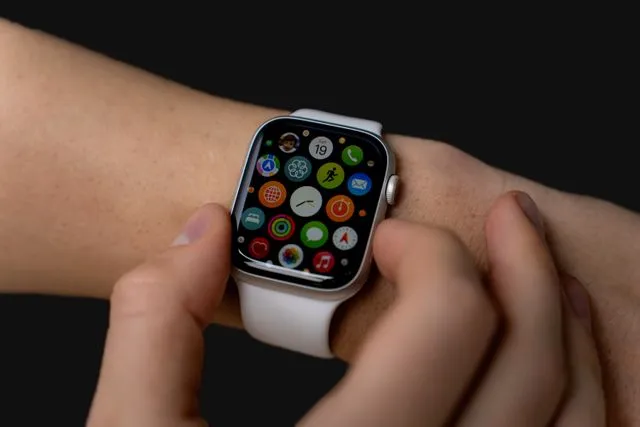
As wearable technology has advanced, the number of devices marketed for measuring blood pressure, including smartwatches, smart rings, patches, and fingertip monitors, has increased significantly. These devices offer convenience and the potential for frequent or continuous monitoring, which provides insights into how the users’ blood pressure changes throughout daily life.
High blood pressure affects about 1.4 billion adults worldwide and about 122 million U.S. adults. The appeal of a smartwatch that can track blood pressure is obvious.
But can it actually do that? The answer isn’t a simple yes or no. The American Heart Association (AHA) and the European Society of Hypertension (ESH), two leading professional organizations in cardiovascular medicine, have recently issued major new guidance based on large-scale reviews of current evidence. Ultimately, the answer depends on the technology inside your watch.
What does the ESH say?
Traditional blood pressure monitors use a cuff that temporarily compresses an artery and an oscillometric sensor to determine your systolic and diastolic pressure. A new type of wristwatch devices uses this same basic technology, packing an inflatable cuff within the straps.
A 2026 ESH consensus statement focuses on these wristwatch-type cuff oscillometric monitors. The ESH Working Group searched PubMed (a free online database for biomedical research papers) and identified 281 articles, of which only 26 were considered relevant to this device category. Several devices were commercially available, but only two devices had published validation studies performed according to the established international standards: the Omron HeartGuide and Huawei D/D2.
Static validation studies (meaning done when seated and relaxed) generally showed acceptable accuracy. However, evidence was thinner for how well the watches worked during 24-hour ambulatory use, for actual clinical applications, and in special populations (pregnancy, kidney disease, arrhythmias, etc.).
The ESH group also identified potential advantages. Because the device is worn on the wrist, users could initiate measurements at home, work, or elsewhere without carrying a conventional monitor. The technology could also make nighttime blood pressure easier to assess as well as catch stress-related blood pressure changes.
What about smartwatches that don’t have a cuff?
This is where the AHA’s 2025 Scientific Statement provides an important counterpoint. It focused on cuffless devices that estimate blood pressure using electrical signals, optical, or pressure sensors, often in combination with machine learning algorithms. This includes most popular smartwatches (Apple Watch, Samsung Galaxy Watch), smart rings, and fingertip monitors.
After conducting a comprehensive review of the existing literature on cuffless monitoring technologies, the AHA recommended against using the devices for diagnosing or managing high blood pressure until they demonstrate greater precision and reliability during daily use.
They noted that while the accuracy of these devices can be affected by movement, sensor positioning, body posture, skin color, and time since calibration, much of their existing validation was performed immediately after calibration and in controlled, static conditions.
The guideline also noted that studies comparing cuffless devices with conventional cuff-based measurements produced mixed results with substantial variation between technologies, validation methods, measurement conditions, and populations.
What this means if you want to take your blood pressure with a smartwatch
If you own a cuffless watch, the AHA says the science isn’t there yet. The readings may still provide useful information about blood pressure patterns and changes over time, but they should be viewed as estimates rather than definitive measurements.
If your device contains a cuff, first check whether the specific device, rather than merely the brand, has undergone appropriate validation. For this, confirm with your doctor or search the STRIDE BP database. Even if it is validated, you still need to ensure proper technique during measurement. To reduce measurement errors:
- Sit quietly for five minutes before measuring
- Rest your arm on a table with your wrist at heart level
- Take your reading with the palm facing up, back supported, and feet flat on the floor
- Don’t talk or move during the reading
Whether you own a cuffless or cuff-containing smartwatch, do not use your readings to diagnose hypertension, adjust your blood pressure medication, or make other medical decisions without consulting your doctor.
So, will your smartwatch eventually replace the conventional cuff
Probably, but not yet. Both the AHA and ESH agree that even though wearable blood pressure monitoring has enormous potential, there is still more work to be done. There is need to develop better validation protocols and test devices in real-world conditions across different populations.
Perhaps what’s needed is technology beyond what we have today. Researchers are developing novel sensors and machine learning technologies to improve both the cuffless and cuff-containing devices.
The Bottom line
Smartwatch technology is advancing quickly and could make wearable BP monitoring a reality. For now, your smartwatch may complement your BP monitor, but it should not replace it.