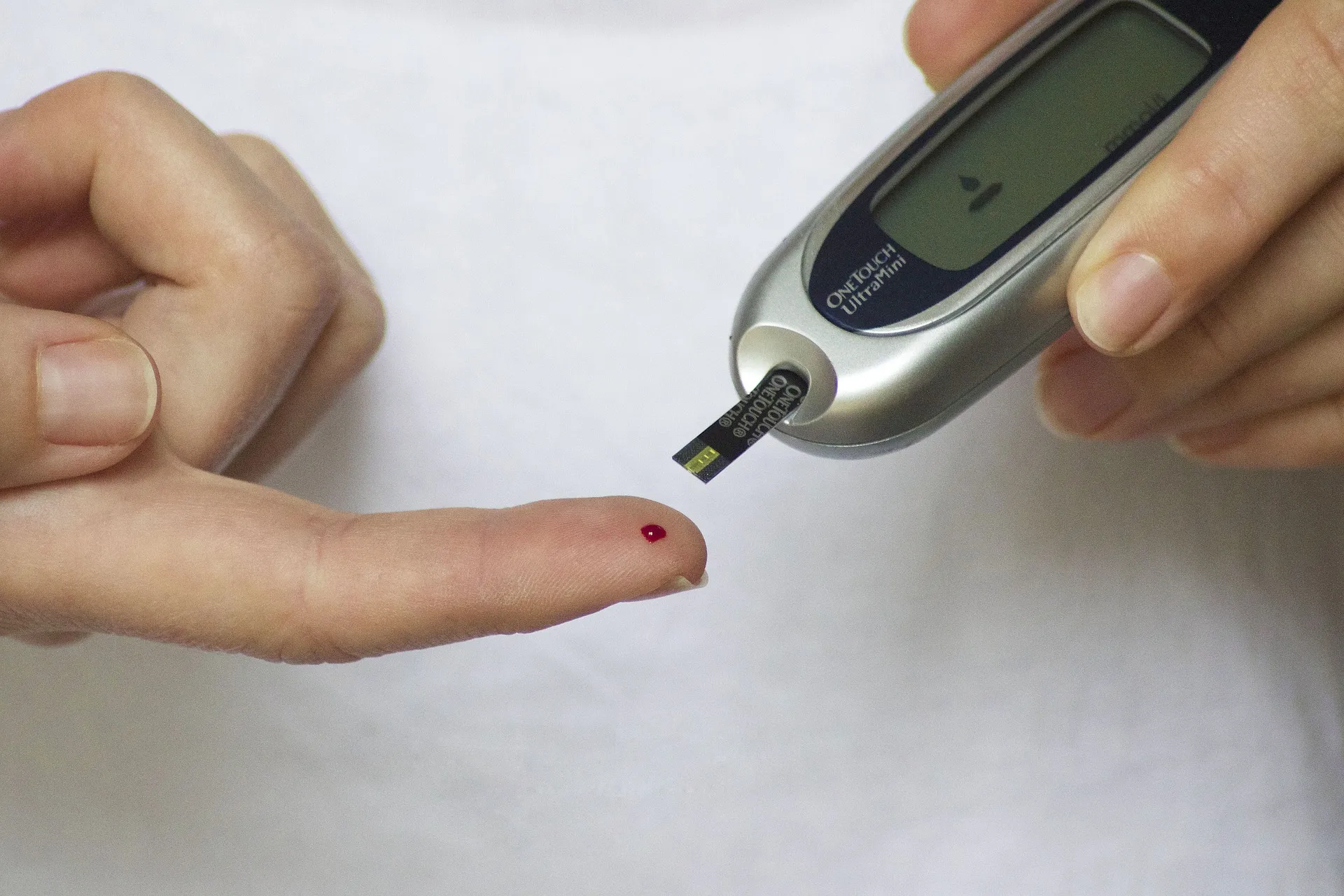
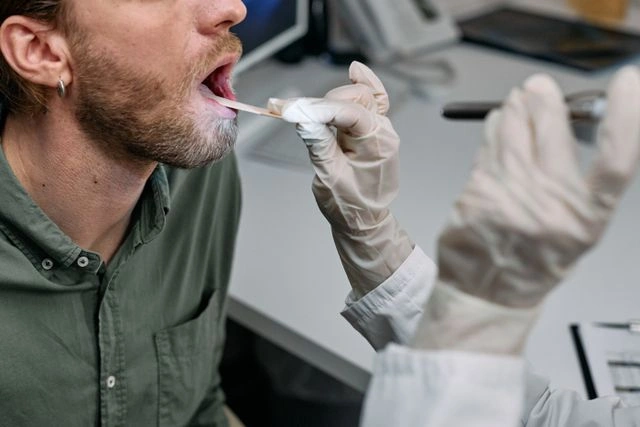
Diabetes is widely known for its effects on the heart, kidneys, eyes, and nerves. However, although 9 in 10 people living with the condition have at least one oral complication, oral health receives less attention than other aspects of diabetes management.
The oral complications can affect self-esteem and make chewing, swallowing, and speaking difficult. If left untreated, some even make blood sugar harder to control. Severe gum disease is a well-documented example. It causes chronic inflammation that contributes to persistently elevated blood sugar levels.
Read on to explore how diabetes affects your oral health, the complications to look out for, how they can be treated, and how to protect your mouth.
How does diabetes cause oral problems?
Diabetes causes oral problems through different mechanisms. Having consistently elevated blood sugar levels can:
- Injure salivary glands and affect saliva production and composition.
- Lead to high sugar concentrations in the saliva, providing more food for microorganisms to grow and potentially increase the risk of oral infections.
- Damage nerves that control the salivary glands, taste buds, and oral sensation.
- Weaken the immune system’s ability to fight infections and repair damage in the mouth.
8 oral complications of diabetes
1. Xerostomia (dry mouth)
The feeling of having a dry mouth is the commonest oral symptom associated with diabetes.
Saliva is important for oral health. It lubricates the mouth, helps wash away food particles, neutralizes acids produced by bacteria, and protects teeth against decay.
People with high blood sugar may experience dry mouth because of dehydration, reduced production of saliva, or reduced flow due to damaged nerves. When this happens, you may notice cracked lips, a rough tongue, bad breath (halitosis), a sticky feeling in the mouth, and difficulty chewing, swallowing, or talking.
2. Burning mouth syndrome
This is where someone has a persistent burning or tingling sensation in the tongue, lips, roof or floor of mouth, and throat in the absence of any obvious abnormality. It is due to diabetes-related damage to the nerves that control oral sensation.
Dry mouth and altered taste, two other symptoms that can be caused by nerve damage, usually accompany burning mouth syndrome.
Burning in the mouth can be a symptom of certain nutritional deficiencies, medications, autoimmune conditions, hormonal changes, oral infections, or contact with some foods. You may need to see a healthcare professional to help check for other causes if burning is persistent despite adequate long-term blood sugar control.
3. Taste dysfunction
The taste of food is detected by specialized cells on the surface of your tongue called taste receptors. For you to taste food, particles in the food must dissolve in saliva and stimulate these cells, which send signals through nerves to the brain for interpretation.
Diabetes can interfere with this process through nerve damage and reduced saliva production, leading to a diminished sense of taste, complete loss of taste, or unpleasant taste sensations.
Taste dysfunction not only reduces the enjoyment of food, but may also lead some people to consume unhealthier meals by adding more salt and sugar to compensate for changes in taste.
If you have started taking metformin or recently had your dose increased, you may experience a metallic taste even if your saliva production and nerve function are normal. This is a recognized side effect of the drug that usually resolves on its own over time.
4. Tooth decay (dental caries)
High blood sugar increases the risk of tooth decay by reducing saliva and increasing the concentration of sugar in the mouth. This creates an environment where harmful bacteria can thrive, form a sticky film of bacteria called plaque, and produce acids that slowly dissolve your enamel (the hard outer covering of your teeth).
Early decay may happen with no symptoms, or you may notice increased sensitivity to cold or hot foods and white, brown, or dark spots on your teeth. Over time, visible holes can develop. If the decay reaches the inner part of the tooth, it can cause severe pain that may be worse at night.
5. Gum disease
When plaque accumulates along the gum line, it can cause reversible inflammation of the gums, known as gingivitis. Symptoms include redness, swelling, and bleeding gums, particularly when brushing or flossing.
Untreated gingivitis can progress to periodontitis, a more severe form of gum disease that damages the bone and other tissues supporting your teeth. This can cause the gums to recede, the teeth to become loose, and even tooth loss.
Although the damage caused by periodontitis is generally irreversible, treatment can help control the disease and prevent further damage.
6. Slow healing oral wounds
Cuts and other injuries inside the mouth heal relatively quickly. In people with diabetes, high blood sugar levels can impair aspects of immune function and affect supply from small blood vessels. This may slow repair and make it harder for the body to contain an infection.
Slow healing can be a significant concern if you have poorly fitting dentures, accidental biting, or are planning to have a tooth extraction or other dental procedure.
After dental surgery, follow your dentist’s instructions and seek review if fever develops, pain worsens, bleeding persists, pus starts to discharge, or you notice an unpleasant taste associated with the wound. A persistent or expanding ulcer, especially one lasting more than two weeks, also requires professional examination.
7. Oral thrush
These are creamy white patches caused by an overgrowth of a fungus called Candida albicans. Reduced saliva flow, increased salivary glucose, and a weakened immune response associated with poorly controlled blood sugar can contribute to the overgrowth.
Besides diabetes, other factors that can increase the risk of thrush include wearing dentures, smoking, HIV/AIDS, and frequently taking antibiotics or medications that suppress the immune system, such as corticosteroids.
The white patches of thrush can be wiped away, leaving red tissue underneath that may sometimes bleed. Oral candidiasis can also occur without visible patches. In these cases, it may cause altered taste, soreness, redness, and a burning sensation in the mouth or lips.
8. Oral lichen planus
This is a chronic inflammatory condition believed to have an autoimmune basis, in which the body’s immune system mistakenly attacks cells in the lining of your mouth.
Unlike other complications associated with diabetes, it is not considered a direct consequence of high blood sugar. Although studies have linked it to diabetes, particularly type 1 diabetes (which is itself an autoimmune condition), the relationship remains unclear.
The condition typically appears as white, lace-like patterns on the inner cheeks or tongue. Some people develop red, inflamed areas, painful erosions, or a burning sensation when eating spicy or acidic foods.
Oral lichen planus is considered a potentially malignant disorder because it carries a low but real risk of transforming into oral cancer. This is why persistent ulcers, a new lump, unexplained bleeding, or a change in appearance of an affected area may need further evaluation and regular monitoring by healthcare professional.
Importantly, certain oral glucose-lowering medications, such as some sulfonylureas, can trigger a similar looking condition, called an oral lichenoid reaction. This usually resolves after a doctor stops the medication.
How can I prevent the oral complications of diabetes?
The first step should be ensuring that your blood sugar is within the target range determined by your doctor. To achieve this, take your medicine as directed and adhere to the lifestyle changes suggested by your care team.
Other measures you can take to reduce your risk of oral health problems are:
- Brush twice daily with a soft-bristled toothbrush and fluoride toothpaste. Remember to replace your toothbrush every 1–3 months.
- Clean between your teeth once a day using floss or interdental brushes recommended by your dentist.
- Visit your dentist to have your gums and teeth checked at least once a year. Tell your dentist you have diabetes or any other medical condition and share your medication list, so they can plan your care safely. If you have undergone a dental procedure, follow your dentist’s aftercare instructions carefully.
- Thoroughly clean dentures daily and remove them every night before sleep.
- Get help to stop smoking tobacco if you currently smoke. Smoking worsens gum disease and delays healing of oral infections and wounds.
- Limit your consumption of sugary foods and drinks. If you have to take a fast-acting glucose to treat an episode of low blood sugar (hypoglycemia), brush your teeth or rinse your mouth with water after recovery. If brushing, waiting about 30–60 minutes helps to avoid damaging softened enamel.
How are these oral complications of diabetes treated?
Treatment for these oral conditions depends on the specific problem and its severity.
If you have dry mouth and related discomfort, a healthcare professional may suggest sugar-free gum, mints, or lozenges to help stimulate natural saliva flow. Some people may need artificial saliva (available as sprays, gels, and rinses) or medications that stimulate saliva production, such as pilocarpine (Salagen).
Oral thrush is treated with antifungal medicines, available as oral gels, liquids, or tablets.
Mild cases of oral lichen planus may only require monitoring, while more severe and painful lesions are usually treated with topical corticosteroids.
To treat plaque, infection, gum recession, and damaged teeth, you may need to undergo dental procedures like deep cleaning, extractions, fillings, root canal therapy, or gum surgery.
What should I remember?
Diabetes can affect more than your nerves, heart, eyes, and kidneys. High blood sugar can also affect your mouth. Fortunately, many of its oral complications can be prevented or managed through good blood sugar control, consistent oral hygiene, regular dental check-ups, and early treatment of emerging problems.