
Diabetic neuropathy is nerve damage caused by high blood sugar levels in people with diabetes.
Nerves are small bundles of tissues which form your body’s wiring system, carrying messages between your brain and the rest of the body. Diabetic neuropathy can injure nerves throughout your body, but most often affects nerves in your legs and feet.
Nerve damage is the most common long-term complication of diabetes. Although it is more common in people with type 2 diabetes, it can also occur in those with type 1 diabetes.
How does diabetes cause nerve damage?
Diabetic neuropathy develops slowly over a long period of time. When you have diabetes, high blood sugar levels damage the nerves by:
- Injuring the small blood vessels that supply your nerves. Damaged blood vessels mean less oxygen and nutrients reach your nerves, and this causes them to stop working properly.
- Reducing the levels of natural antioxidant, reduced glutathione (GSH), in your nerves. Your nerves will then be slowly damaged by oxidative stress.
- Causing chronic inflammation within your nerves.
Metformin, a medication used to treat diabetes, may also cause neuropathy. When it is taken for a long period of time, metformin may cause the levels of vitamin B12 in your body to reduce. Sufficient levels of vitamin B12 are important for nerve health.
What are the types of diabetic neuropathy?
There are 4 main types of diabetic neuropathy. They include:
I. Distal symmetric polyneuropathy (DSPN)
This is the most common type of diabetic neuropathy. About one half of the patients living with diabetes have DSPN. It typically affects the peripheral nervous system (the network of nerves outside your brain and spinal cord). It usually begins in the feet and legs and may later spread to the hands and arms.
You may have the condition without having any symptoms. When you have symptoms, they may include:
- Sharp pain
- Numbness
- Decreased sensation
- Loss of balance and coordination
- Prickling sensation
- Muscle weakness
In some people, these symptoms worsen at night.
II. Autonomic neuropathy
It is the second most common type of diabetic neuropathy. 1 in 3 people with diabetes has autonomic neuropathy. It affects nerves that form your autonomic nervous system (ANS), the part of your body’s internal wiring system not under conscious control. Symptoms depend on the systems or organs affected, and they include:
Cardiovascular symptoms
- Feeling light-headed or dizzy when you stand up from a seated or lying position. This happens because of damage to the nerves that control blood pressure and heart rate.
- Palpitations—pounding, abnormal heart beat
You may experience no pain when your heart isn’t getting enough oxygen. This increases your chances of having a fatal heart attack.
Digestive system associated symptoms
- Difficult swallowing
- Constipation
- Diarrhea
- Fecal incontinence
- Nausea and vomiting. These happen when you have gastroparesis, a condition where your stomach releases food too slowly into the intestines. This will also cause you to feel full very quickly.
Genital and urinary symptoms
- Erectile dysfunction
- Vaginal dryness
- Impotence
- Difficulty emptying bladder
- Urine incontinence
Other symptoms
- Heat intolerance
- Excessive sweating
- Your feet may feel cold, and swell when you stand up
Your body may also be unable to detect and correct hypoglycemia, a conditioning where your blood sugar levels are lower than normal.
III. Mononeuropathy
Here, a single nerve or a small group of nerves close to each other is damaged. Mononeuropathy most commonly affects cranial nerves—the nerves in your head and neck that control important functions such as vision, swallowing, smell, and facial movements. It can also involve nerves in the wrist, chest, thighs, lower leg, or foot.
Symptoms depend on which nerve is affected and may include:
- Sudden severe pain
- Prickling sensation
- Muscle weakness
- Numbness
- Weakness or droopiness on one side of the face (Bell’s palsy)
- Blurred or double vision
- Aching behind the eyes.
Mononeuropathy typically develops suddenly and recovers entirely within weeks or months
IV. Radiculopathy
This type of diabetic neuropathy, also called diabetic amyotrophy, affects only 1% of all people with diabetes. It usually occurs in males, those with type 2 diabetes and people older than 50 years.
It can cause you severe pain and muscle weakness in your hips, buttocks, or thighs. These symptoms are typically one-sided. You may also experience unintended weight loss.
With good blood sugar control, your symptoms may improve gradually in a few months. Like mononeuropathy, radiculopathy often gets better on its own.
What diabetic patients are at risk of getting their nerves damaged?
You may have higher chances of getting diabetes-associated nerve damage if you:
- Have poorly controlled blood sugar levels
- Have been living with diabetes for a long period of time
- Have high blood pressure
- Are overweight
- Smoke
- Are over 50 years
- Take too much alcohol
- Have high blood cholesterol levels
- Have certain genes
How is diabetic neuropathy diagnosed?
Damage to nerves is not always caused by diabetes. To diagnose diabetic neuropathy, your doctor will start by asking you questions about your symptoms, medical history, and what medicines you are currently taking. Your heart rate and blood pressure will be obtained and recorded.
Your doctor will then physically examine your limbs and torso, checking for your reflexes and level of sensitivity to temperature, touch, and vibration. The strength of your muscles will also be assessed.
Sometimes your doctor can decide to perform tests to help in diagnosis and choosing an appropriate treatment option for your condition. These tests may include:
- Nerve conduction study: This test is used to determine nerve damage by measuring the strength and speed of signals in your nerves.
- Electromyography (EMG): Here, small needles are inserted through your skin into muscle. The response of your muscles to stimulation by nerves is measured.
How often should I be checked for diabetic neuropathy?
You should be checked for diabetic neuropathy at least once a year, even if you don’t have symptoms. Screening should begin at diagnosis if you have type 2 diabetes and five years after diagnosis if you have type 1 diabetes.
If you already have diabetic neuropathy or at high risk of getting it, your doctor may recommend more frequent check-ups.
What are the complications of diabetic neuropathy?
You may develop complications if you have severe diabetic neuropathy, or if you have had it for a long time. The complications may also depend on the type of neuropathy you have. They include:
- Infections of the foot. When your feet are numb, you may not notice a wound or cut on your foot. So, you will not have it treated early enough. That may cause an infection, which will be worsened by poor blood supply to your foot; a common problem in people living with diabetes.
- Amputations. When an infection is very severe, you may need to have the infected part surgically removed.
- Dehydration. Due to prolonged or extreme diarrhea and vomiting.
- Falls, which may cause you to fracture bones.
- Sudden death from an untreated heart attack.
- Charcot joints, where nerve damage causes your joints to become damaged, weak or deformed.
How is diabetic neuropathy treated?
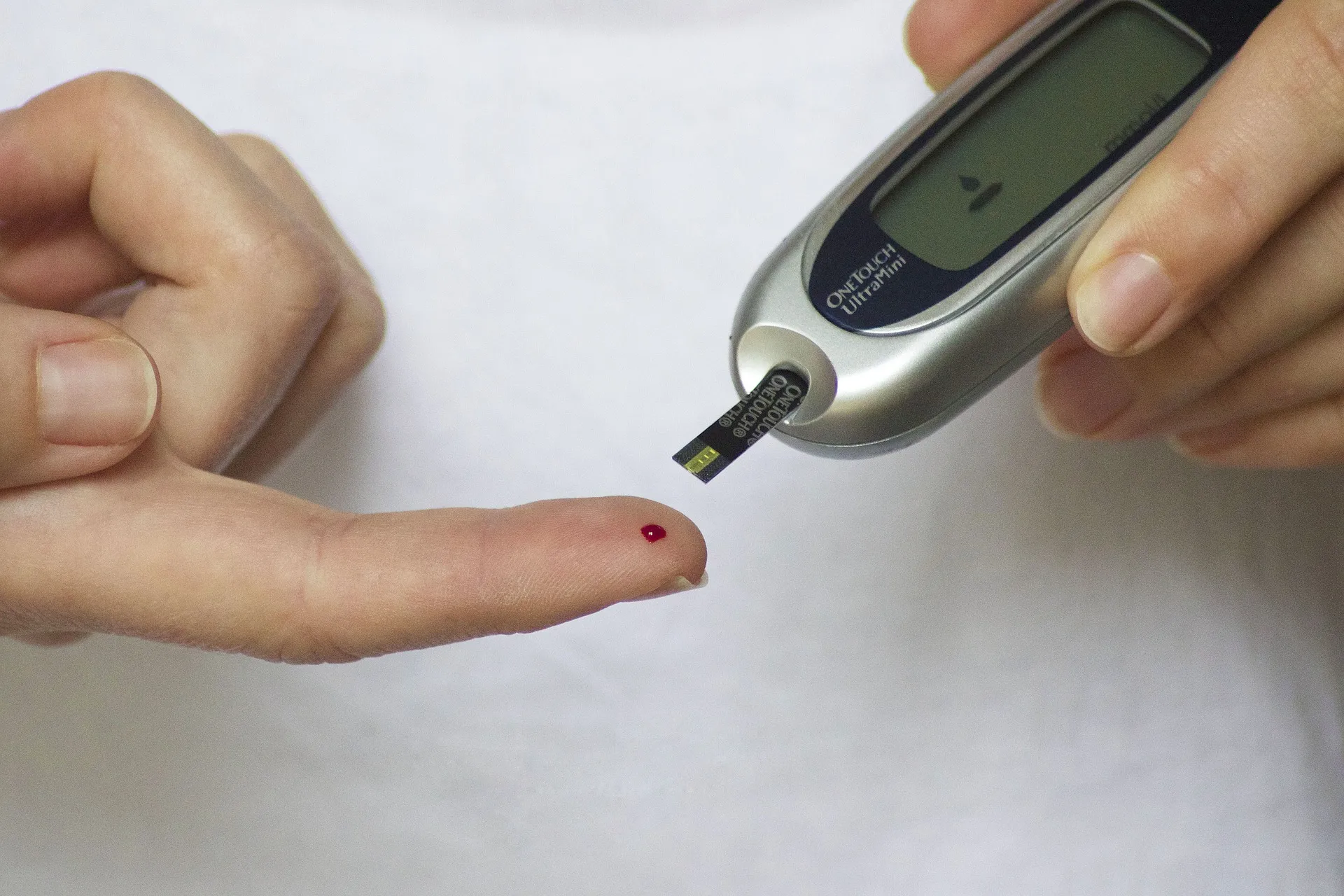
Keeping your blood sugar levels under strict control is the most important step in managing diabetic neuropathy.
There is no cure for diabetic neuropathy, but there are ways to slow down it’s progression and relieve your symptoms. The treatment available to you may involve:
Pain relief
A healthcare professional may recommend oral or intravenous medications to relieve your pain. Creams or patches containing lidocaine (a numbing medicine) or capsaicin (the substance that makes chili peppers hot) may also provide relief for some people.
If medications do not manage your pain adequately, other treatments that may be considered include:
- Spinal cord stimulation. A small implanted device delivers electrical signals to the spinal cord to interrupt pain signals.
- Transcutaneous electrical nerve stimulation (TENS). Here, a TENS device produces mild electrical impulses to help reduce pain.
- Acupuncture. It involves inserting very thin needles into specific points on the body. Some people find it helps reduce chronic nerve pain, but evidence for its effectiveness is inconclusive.
Supplements
Supplements which may be prescribed to help you boost nerve health include:
- Vitamin B12, if you have low levels in blood.
- Alpha-lipoic acid, an antioxidant which protects your nerves from oxidative stress.
- Acetyl-L-carnitine. It is also an antioxidant and is commonly included in supplements that also contain alpha-lipoic acid.
Treating complications
Problems caused by the neuropathy can also be managed to prevent them from getting worse and to help you improve your overall quality of life. Some common problems and their treatments include:
- Erectile dysfunction might require treatment with medications like sildenafil or tadalafil. Vaginal dryness can be managed with the use of lubricants.
- If you have gastroparesis, you may be advised to take frequent small meals. Medicines that increase how fast your stomach gets rid of food, such as metoclopramide, may also be prescribed. Constipation can be treated by laxatives.
- DSPN increases your chances of having foot complications, which may eventually cause you to have an amputation. Proper foot care and regular foot exams are important to prevent you from getting foot complications.
Physical therapy
Your doctor may refer you to a physiotherapist, who will use specific techniques and take you through different exercise programs to help you with your condition. Benefits of physiotherapy in managing diabetic neuropathy include:
- Reducing pain and numbness
- Improving muscle strength
- Improving balance and coordination
- Controlling blood sugar levels
How can I prevent diabetic neuropathy?
You can prevent diabetic neuropathy by closely monitoring and controlling your blood sugar levels. You will need to:
- Take your anti-diabetes medications as prescribed by your doctor
- Eat a diabetes-friendly diet
- Exercise regularly
- Stop smoking and taking alcohol
What should I remember?
Diabetic neuropathy is nerve damage caused by high blood sugar levels. Peripheral neuropathy is the most common of the 4 major types.
By maintaining good blood sugar control and managing your symptoms with appropriate treatments, you can effectively manage this condition and prevent further complications.