
Diabetes is a chronic medical condition that’s becoming more common in children and adults every year. Type 1 diabetes, the form where the immune system attacks and damages the insulin-producing cells, is the most common type in children.
If your child has diabetes, you know how overwhelming it can be to monitor and manage their blood glucose (sugar) levels, especially in the early days after diagnosis. Thankfully, a number of tech devices, such as continuous glucose monitors (CGMs) and automated insulin delivery systems (AIDs) make it safer and easier for young people with diabetes and their parents or guardians.
But with so many options and features, you need to understand not just the benefits, but also the challenges and practical realities of these tools.
In this guide, we break down what every parent should know about diabetes tech for kids, helping you to make confident choices and support your child every step of the way.
What diabetes devices are available for use in children?
Devices that help with blood sugar management in children include:
I. Continuous glucose monitors (CGMs)
CGMs are small wearable devices that measure glucose levels in real time, usually through a tiny sensor inserted in the fatty layer under the skin. They send glucose readings every 5–10 minutes to a display device such as a smartphone or receiver. On the display device, you can also see if your child’s glucose levels are rising or falling, and how fast it’s happening.
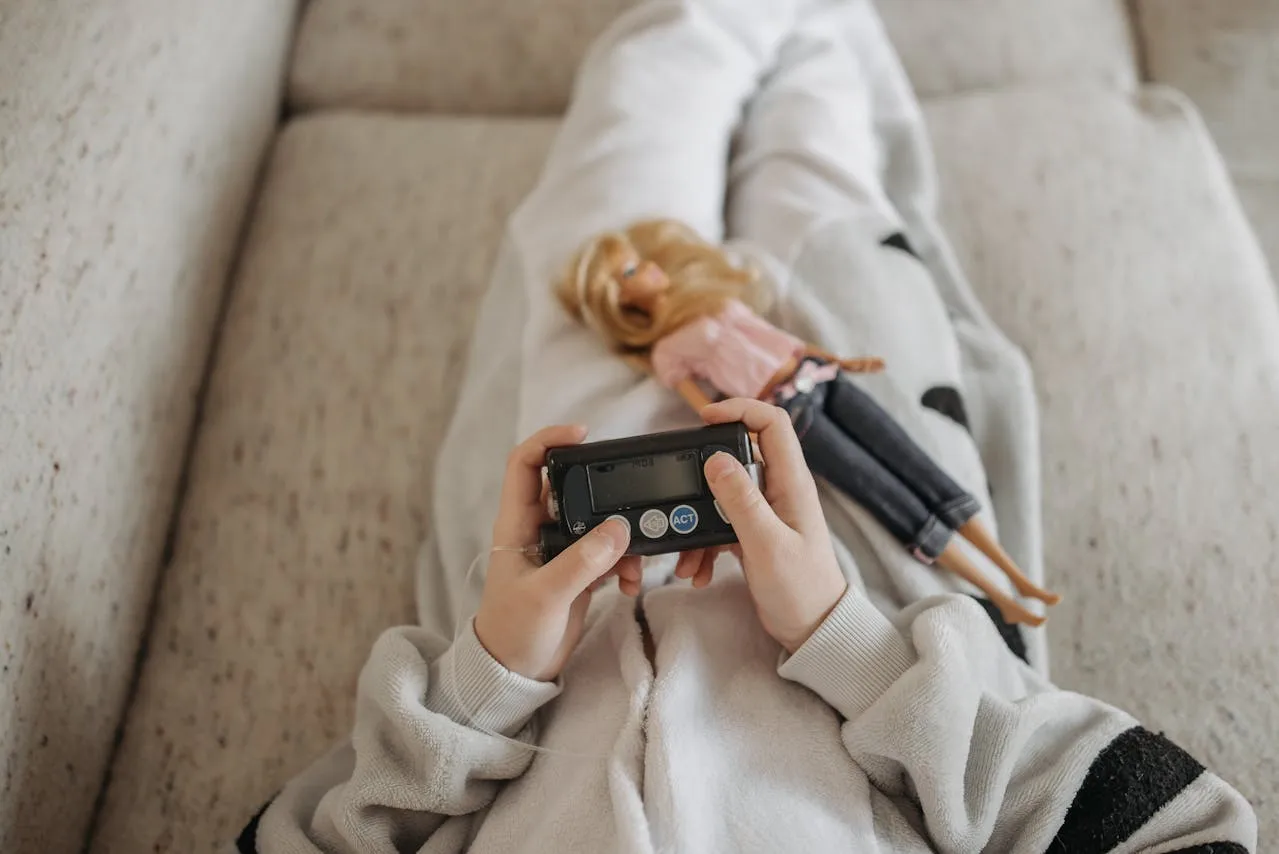
II. Insulin pumps
They are wearable devices that deliver insulin through a tube placed under the skin. Instead of multiple daily injections, the pump gives steady background insulin and extra doses at meal times.
III. Automated insulin delivery systems (AIDs)
AIDs, also called artificial pancreas systems, combine a CGM and insulin pump, using algorithms to automatically adjust insulin based on real-time glucose readings. The systems still require meal time input, but the rest runs automatically.
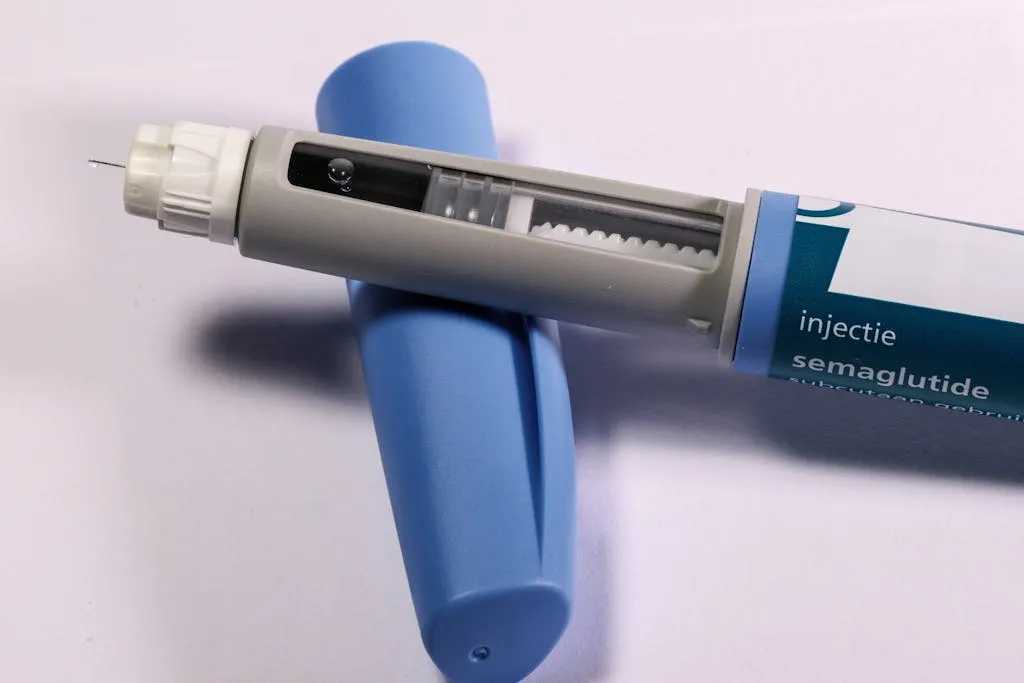
IV. Smart insulin pens
These look like regular insulin pens, but track when and how much insulin your child injects. They then use bluetooth technology to send this data to an app on a smartphone. This data can even be used to suggest insulin doses based on blood sugar or carbs.
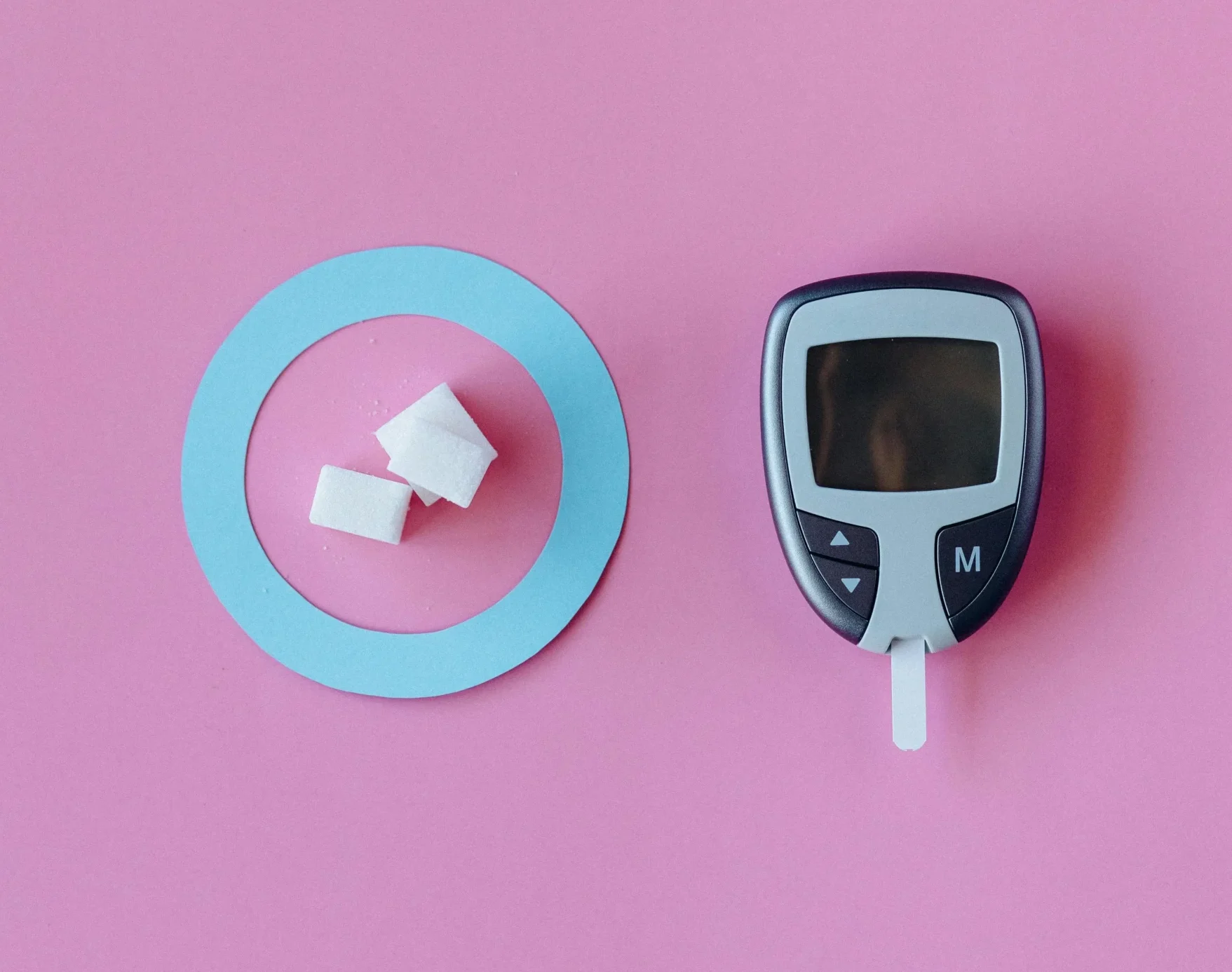
V. Bluetooth glucose meters
Older children who aren’t on CGMs can use bluetooth-enabled blood glucose meters. These can send readings directly to a diabetes management app, reducing manual logging and improving accuracy.
How do diabetes devices make life easier for children with diabetes and their parents?
Benefits of using tech devices in children with diabetes include:
- Better blood sugar control. CGMs provide real-time glucose data and trends, allowing for fewer dangerous highs or lows. This supports normal brain development and reduces the risk of other complications like nerve disease and eye disease.
- Fewer pricks when checking blood sugar and administering insulin.
- Improved quality of life. Diabetes devices do this by helping reduce the daily burden of care, ease stress, and improve sleep for both children and their parents.
- Growth of confidence and independence as children gradually take a more active role in the management of their condition.
- Support for active lifestyles. AIDs help with easy adjustment of insulin delivery around meals and physical activity. This flexibility makes it easier for children to stay active and safe.
- Reliable data sharing with parents and healthcare teams. Devices which automatically record and share glucose data reduce the chances of missed entries or inaccurate reporting (especially common in adolescents), enabling parents and doctors to make more informed care decisions.
How can parents choose the right diabetes devices for their child?
Every child has unique medical and emotional needs. You should work with a healthcare team to determine which device works best for your child’s situation. Some important factors to consider include:
- Your child’s age. Younger children may need simpler, caregiver-managed devices, while teens may benefit from more advanced features that allow for greater independence. Most devices are available for use in children as young as 2 years old.
- Comfort and wearability. CGMs, AIDs, and insulin pumps involve wearing something on the body most of the time. Look for options that are lightweight, discreet, and comfortable for your child.
- The child’s lifestyle. Consider your child’s activity level, school schedule, and sleep patterns. Devices that offer flexibility (like patch pumps or automatic alerts) support a busy lifestyle better.
- Monitoring requirements. Some devices allow you to monitor your child’s glucose levels remotely through smartphone apps. This is helpful for younger children or during times when your child is away from home, like at school or camp.
- Accuracy and reliability. There are a lot of devices on the market. Look for devices that offer reliable performance and whose accuracy has been validated by relevant health authorities, such as the FDA.
- Cost and insurance coverage. Not all devices are covered equally by insurance, and out-of-pocket costs can vary. Check with your provider and healthcare team to understand what devices are covered under your plan.
- Integration. Some devices are designed to work together, for example a CGM that pairs with an insulin pump. This can reduce manual input and allow more precise care. Talk to a professional to help you choose out such complementary devices.
What issues can be associated with the use of diabetes devices in children, and how can parents deal with them?
Diabetes tech devices can negatively affect children in different ways. Below are some challenges you should be aware of, along with simple strategies to manage them:
- Technical issues. While these devices run smoothly when used properly, problems like failing batteries, kinked tubing, leaking reservoirs, malfunctioning software, and sensor troubles, can all occur. A healthcare professional can teach you and your child to identify and solve basic issues.
- Skin irritation from some adhesives used to hold the devices in position. If your child has sensitive skin, use hypoallergenic adhesive tape or barrier sprays and creams to prevent irritation. You can also help them remove adhesive tape gently to limit skin damage associated with forceful removal.
- A steep learning curve as you and your child adapt to settings, apps, alerts, and occasional troubleshooting in the early days. Lean on diabetes educators or device tutorials from trustworthy YouTube channels to help you build confidence and overcome early frustrations.
- Some children, particularly teens, may feel self-conscious about wearing visible devices in social settings like school, sports, or sleepovers. If this is an issue, please acknowledge your child’s concerns and consult a professional to help you understand how you can create a supportive environment for your child.
- Device fatigue. Constant alarms, access to glucose data and wearing devices 24/7 can feel intrusive or frustrating over time. This can induce stress in many parents and may lead to neglect of device use in some children. Do not be overbearing with your child. Talk to their healthcare team about how best to monitor and manage the child’s blood sugar on days when they need a bit of rest from the devices.
- Limited body real estate in younger children. This makes it difficult to rotate placement sites for CGMs and infusion sets. Therefore, you should always be on the lookout for local side effects like irritation, infection, and skin nodules or indentation.
- Some healthcare professionals may be reluctant to recommend certain devices due to their cost, unfamiliarity, past challenges, or concerns about reliability. It’s always ideal to listen to your child’s diabetes care team. However, you can always respectfully ask for clarification about their decisions or seek a second opinion if you’re not convinced.
- Growth spurts and puberty. Hormonal changes during puberty can affect insulin sensitivity and glucose control, often requiring frequent adjustments. Ongoing monitoring and healthcare team guidance can help you and your child keep up with the changing medical needs.
Frequently Asked Questions
What other technologies can support my child’s diabetes management?
Beyond standard devices like CGMs and insulin pumps, other complementary technologies that can support and simplify diabetes care include:
i. Diabetes apps
Mobile apps like mySugr, Gluroo, and Diabetes:M enable logging of blood sugar readings, meals, activity, and insulin doses. Some of them sync with devices to track patterns and share reports with healthcare providers.
ii. Smartwatches
Paired with smartphones or diabetes apps, smartwatches like Apple or Samsung Galaxy watches can display glucose readings, alert your child to highs or lows, and let you monitor glucose levels remotely. They also track many other health metrics (such as sleep, stress, and heart rate), offer GPS tracking for safety, and provide a balanced way for your child to stay connected with you without the distractions of a full feature phone.
iii. Voice assistants
Older children can use Siri, Alexa, Gemini, Bixby, or Google Assistant to set medication reminders, log symptoms, or answer basic diabetes-related questions.
Can my child still participate in swimming, contact sports, or other activities while using wearable diabetes devices?
Yes, most children with diabetes devices can still enjoy swimming, sports and active play. Most CGM sensors and insulin pumps are water-resistant or waterproof up to a certain depth, for a certain period of time. You can get more information in the specific product instructions.
If your child engages in other sports, their devices can be removed temporarily or protected with short sleeves or padding.
What should I do if my child’s device stops working?
If a device malfunctions, stay calm and check the device instructions for troubleshooting guidance.
If this doesn’t help, do temporary manual management, such as switching to fingerstick glucose measurements or injecting insulin with a pen or syringe as you call the device manufacturer’s support line for help.
You should also let your child’s diabetes care team know about the issue, especially if it affects your child’s glucose levels significantly or if a replacement device is needed quickly.
Will diabetes devices hurt my child?
Insertion of a CGM sensor or insulin pump cannula typically feels like a quick pinch. Over time, most children adjust and may barely notice insertions. To limit tenderness or irritation, you can rotate sites and use cold packs or numbing creams before insertion.
After insertion, there might still be some redness and pain, but this usually resolves on its own within a few hours or days.
If your child consistently complains of pain, discuss other device options or techniques with a healthcare professional. It may also be a sign of a local infection that requires medical attention.
What should I remember?
Diabetes devices can make life safer and easier for children living with diabetes. They reduce stress, improve control, and support everyday life at school, at play, and during sleep.
But no device is perfect. Challenges like skin irritation, device malfunctions, self-image issues in teens, and high costs can come up. Still, with the right support, most families find solutions that work. Talk to your child’s diabetes care team, explore your options, and remember that you’re not alone on this journey.