For millions around the world, coffee is a daily ritual. And if you had a cup this morning, it was just one of over 2 billion that will be consumed by the end of the day.
If you have high blood pressure (hypertension), you may wonder whether that cup could harm your health.
Caffeine, the major ingredient in coffee, not only helps you feel more alert, but can also affect your cardiovascular system. It may cause a temporary spike in blood pressure, although this varies from person to person.
The type of coffee you choose and how often you take it also matter. We’ll take a closer look at how coffee alters your blood pressure, how much is considered safe, and when to see a doctor.
Is coffee bad for my blood pressure?
The answer isn’t a simple yes or no. Coffee can cause a temporary rise in blood pressure, especially if you don’t frequently take it or are particularly sensitive to caffeine. This rise happens within 30 to 60 minutes and can last a few hours.
However, the long-term relationship between coffee and blood pressure is less clear. If you take it regularly, the body often builds caffeine tolerance. This means that temporary spikes in blood pressure either won’t happen, or will be weaker than they were initially. In fact, drinking coffee regularly and in moderation has been linked to some heart health benefits.
If your blood pressure is not well controlled, you may need to be more cautious with your coffee intake. A study in Japan found that drinking 2 or more cups of coffee per day was associated with higher risk of cardiovascular death in people with severe hypertension. This link wasn’t seen in those with normal blood pressure or mild hypertension.
How much coffee is too much?
For most healthy adults, health authorities like the FDA and the European Food Safety Authority recommend a maximum of 400 mg of caffeine per day. This is about three to four 8-ounce cups of brewed coffee.
If you have high blood pressure or are sensitive to caffeine, it’s good to aim for the lower end of the recommended range.
Also, keep in mind that caffeine is not only in coffee. You’ll also find it in energy drinks, chocolate, dietary supplements, and some over-the-counter medications.
How does coffee affect blood pressure?
Besides caffeine, coffee contains many other compounds. So, while it often raises blood pressure, some of its components may have protective effects. The ways in which coffee impacts your blood pressure include:
Blocking adenosine
Adenosine is a chemical that normally helps your blood vessels relax and widen. When you take coffee, the caffeine blocks adenosine receptors. This causes your blood vessels to narrow, leading to a rise in blood pressure.
Triggering adrenaline release
Caffeine also stimulates your body to release adrenaline. This is a stress hormone that speeds up your heart rate, increases the force of your heart’s contractions, and narrows your blood vessels. These actions increase your blood pressure.
Increasing antioxidants
Coffee contains antioxidants that help reduce inflammation and protect the inner lining of your blood vessels. As a result, your blood vessels can widen normally, which helps keep your blood pressure in check.
Changing the gut microbiome
The gut microbiome is a community of bacteria in your digestive system. Some of these bacteria are associated with better blood pressure control. Regular coffee consumption has been shown to increase the numbers of these helpful bacteria over time.
Raising cholesterol levels
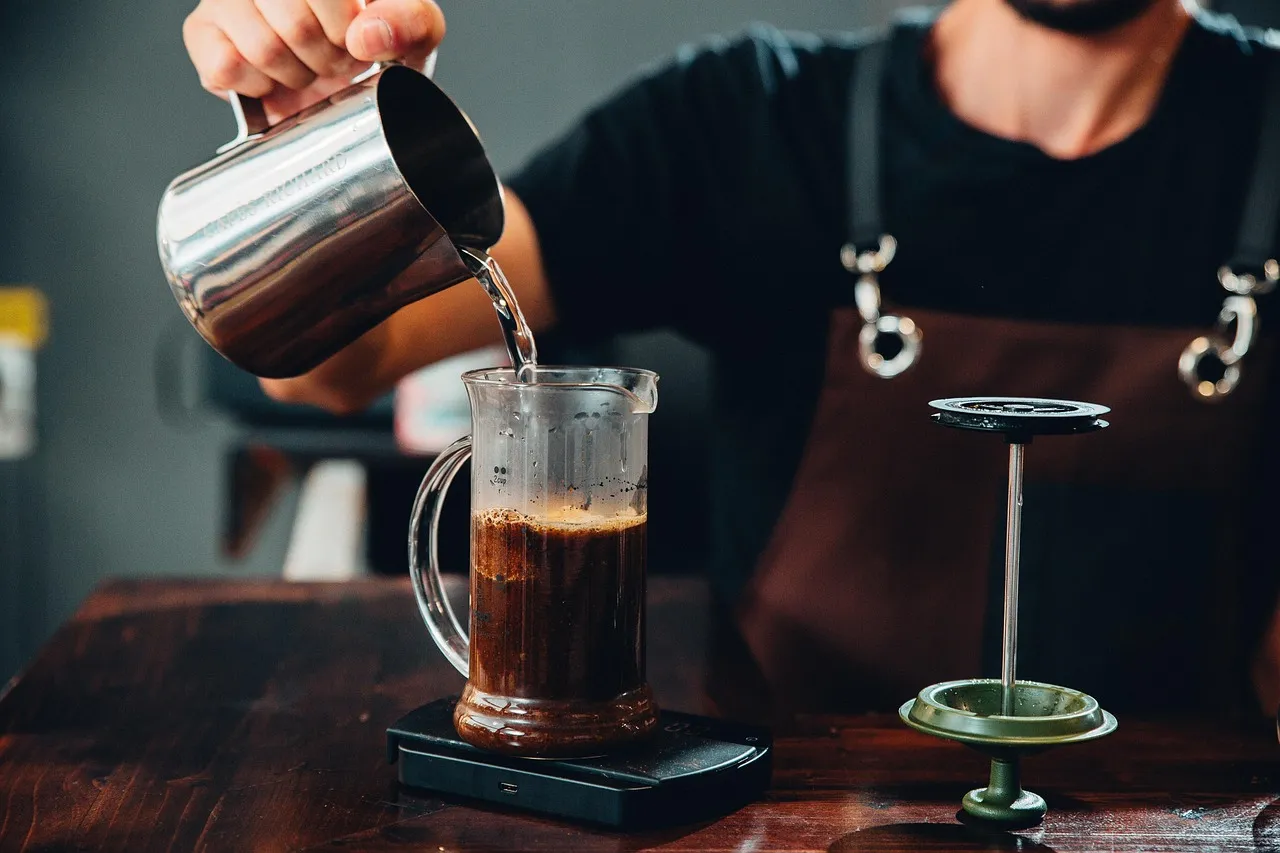
Unfiltered coffee (like Turkish coffee and French press) contains diterpenes, particularly cafestol and kahweol. These substances can raise LDL (bad) cholesterol, which may contribute to stiffening of blood vessels and increased blood pressure over time.
Filtered coffee (like drip-brewed or paper-filtered options) has most diterpenes removed and is considered a healthier choice.
How can I enjoy coffee while still taking care of my blood pressure?
Here are simple ways to enjoy your coffee more safely:
- Avoid adding too much sugar or cream to your drink. These may contribute to weight gain and higher blood pressure over time.
- Try drinking coffee earlier in the day, so it doesn’t interfere with your sleep. Poor sleep can also cause a rise in blood pressure.
- Watch how your body responds. If you feel jittery or often experience spikes in your readings after taking coffee, you may need to cut back.
- Try decaf or half-caf if you want to reduce your intake without giving up the taste and jolt from coffee.
- Talk to your doctor if you’re pregnant, breastfeeding, on medications, or unsure whether your coffee habits are safe. They can advise you on how much coffee is safe for you and suggest ways you can manage your health better.
- Adhere to blood pressure-lowering lifestyle habits, like exercising regularly, limiting salt intake, managing stress effectively, limiting alcohol intake, and not smoking.
What about tea instead of coffee?
Generally, tea is a safer option for blood pressure. Most teas, such as black, green, or oolong, contain less caffeine than coffee. Some teas even offer heart health benefits. For example, green tea is rich in antioxidants that may help with long-term blood pressure control.
Herbal teas are another good option, since they’re naturally caffeine-free.
Just be cautious with bottled or sweetened teas. They contain added sugars, which negatively affect your heart health.
The Takeaway
For some people, caffeine can cause a short-term spike in blood pressure, especially if they’re sensitive or don’t take it frequently. However, regular coffee drinkers often build some tolerance, and moderate intake is largely considered safe or beneficial for most people with well-managed hypertension.
The key is to know your limits and pay attention to how your body reacts.
If you’re unsure whether coffee is impacting your blood pressure, talk to your doctor for personalized advice.