Meal planning is a thoughtful process that involves choosing what to eat and when to eat ahead of time. If you have diabetes, this process makes it easier to stick to a diabetes-friendly diet.
By planning your meals, you’re less likely to grab unhealthy options or overeat. It also helps with grocery shopping, budgeting, maintaining a healthy weight, and preventing the blood sugar highs and lows that can happen when you skip meals or eat those that are poorly balanced.
In the long-term, it protects you from the complications of high blood sugar and other diabetes-complicating chronic conditions related to poor dietary habits.
Key food components in a diabetes meal plan
Creating a healthy meal plan for diabetes is about balance and making smarter choices, not cutting out all your favorite foods. Below are the key building blocks of a diabetes-friendly meal plan:
Healthy carbohydrates
Carbohydrates are the main source of energy for the body. They also affect blood sugar the most and are classified into 3 types: simple carbs, complex carbs (starches), and fiber.
Try to avoid foods rich in simple carbs, such as white bread, sugary cereals, sweets, cakes, cakes, and regular soda. Instead, you should focus on complex carbs like whole grains, legumes, vegetables, and fruits. These take longer to digest and lead to slower rises in blood sugar.
Fiber improves digestion, keeps you full longer, and slows down the digestion of other carbs. This prevents blood sugar spikes. You can get fiber from whole fruits, vegetables, beans, lentils, nuts, oats, and brown rice.
Proteins
Protein helps you feel full and doesn’t spike your blood sugar. It’s also essential for repairing and building body tissue. Good sources include skinless chicken, turkey, fish, tofu, eggs, low-fat dairy, legumes, and lean cuts of beef or pork. Try to include some protein in every meal.
Healthy fats
Fats don’t directly raise blood sugar, but the type of fat matters. Healthy fats are helpful for people with diabetes because they support cardiovascular health. They include those from nuts, seeds, avocados, olive oil, and fatty fish (like salmon and tuna).
Limit saturated fats (like those in butter, red meat, and full-fat dairy) and avoid trans fats (often found in baked goods and packaged snacks).
If you’re watching your weight, you may need to follow stricter restrictions on fats, even on those that are healthy.
Vitamins and minerals
Eating a variety of whole foods, especially colorful fruits and vegetables, helps you get essential nutrients like potassium, magnesium, and a number of vitamins.
Taking oral vitamin supplements is often unnecessary unless suggested by a healthcare professional.
What about alcohol?
Excessive alcohol can increase your risk of getting low blood sugar (hypoglycemia), especially if you use insulin and sulfonylureas (like Diabeta, Glynase, Glucotrol, Amaryl).
If you decide to take alcohol, take no more than 2 drinks per day if you’re male and no more than 1 drink if you’re female. I drink equals 12 ounces (oz) of beer and 5 oz. of wine.
What methods can I use to plan my meals?
There is no one-size-fits-all approach to meal planning. Different methods work for different people. You can choose one (or a combination) of these recommended methods:
I. The Plate Method
This is a simple guide that helps you build balanced meals without needing to count or measure everything. Here’s how to fill your plate:
- Half the plate: non-starchy vegetables like spinach, broccoli, carrots, green beans, or salad.
- One quarter: lean protein like grilled chicken, beans, tofu, lean pork.
- One quarter: healthy carbs like brown rice, whole grains pasta, sweet potato, green peas.
Then, add a serving of fruit or low-fat dairy on the table and drink water or an unsweetened beverage.
II. Carb counting
It involves keeping track of how many carbs you eat at each meal or snack. This is mostly helpful if you use insulin to control your blood sugar.
Work with a dietitian to help you understand how many carbs you should eat and how many are contained in single servings of your favorite foods. They will also teach you how to read nutrition labels and how to use recommended apps and charts.
III. The Glycemic Index (GI)
The glycemic index ranks carbs by how quickly they raise your blood sugar. Foods with a low GI (like most non-starchy vegetables) raise blood sugar more slowly, while high GI foods (like white bread, white rice, and sugary cereals) cause rapid spikes.
Choosing more low and medium GI foods can help improve your blood sugar control.
Sample 3-day meal plan
Remember, it’s not just about what you eat, but also when and how often you eat. Eat meals and snacks at regular intervals to prevent blood sugar spikes and crashes. Try to eat every 3–5 hours, depending on your daily schedule.
Other factors that affect how your body handles food, such as medications, physical activity, and size, also matter. That’s why it’s important to tailor your meal plan to your personal needs.
The sample meal plan below offers balanced meals that also keep blood sugar in check.
Day 1
Breakfast: Oatmeal topped with chopped walnuts and a few fresh blueberries, a boiled egg, unsweetened tea or black coffee.
Lunch: Grilled chicken breast, steamed green beans, quinoa salad with chopped vegetables and olive oil vinaigrette.
Dinner: Baked salmon, roasted sweet potato (small portion), mixed green salad with avocado and vinaigrette.
Between-meal snacks (choose one): 1 small apple with 1 tablespoon of natural peanut butter, plain Greek yogurt with a sprinkle of cinnamon.
Day 2
Breakfast: Whole grain toast (1 slice) with mashed avocado and a poached egg, sliced tomato on the side, unsweetened green tea.
Lunch: Lentil soup, small whole grain roll, sliced cucumbers and carrots sticks.
Dinner: Stir-fried tofu with broccoli, bell peppers, and mushrooms. Brown rice (1/2 cup cooked), sparkling water with lemon.
Between-meal snacks (choose one): A handful of almonds, cottage cheese (low-fat) with a few sliced strawberries.
Day 3
Breakfast: 1 slice whole grain toast, smoothie with unsweetened almond milk, spinach, half a banana, chia seeds, and protein powder.
Lunch: Small serving of fresh fruit (like 1/2 a pear), turkey or hummus wrap in whole wheat tortilla with lettuce, tomato, and cucumber.
Dinner: Grilled shrimp or chicken, small serving of wild rice, steamed broccoli and cauliflower.
Between-meal snacks (choose one): Hard-boiled egg and a few cherry tomatoes, 2 cups of air-popped popcorn.
Meal preparation tips for busy people with diabetes
If you’re usually busy or are expecting an especially busy period of time, meal prep can help you save time and handle stress while still sticking to a diabetes-friendly meal plan. Here are some simple tips you might find helpful:
- Cook food in batches. Make larger portions of healthy meals like stews, stir-fries, or casseroles and store leftovers.
- Divide meals into smaller labeled containers for grab-and-go options. This can also help with portion control.
- Pre-cut fruits and vegetables and store them in the fridge for quick snacks or salad ingredients.
- Schedule prep time once or twice a week and stay consistent with it.
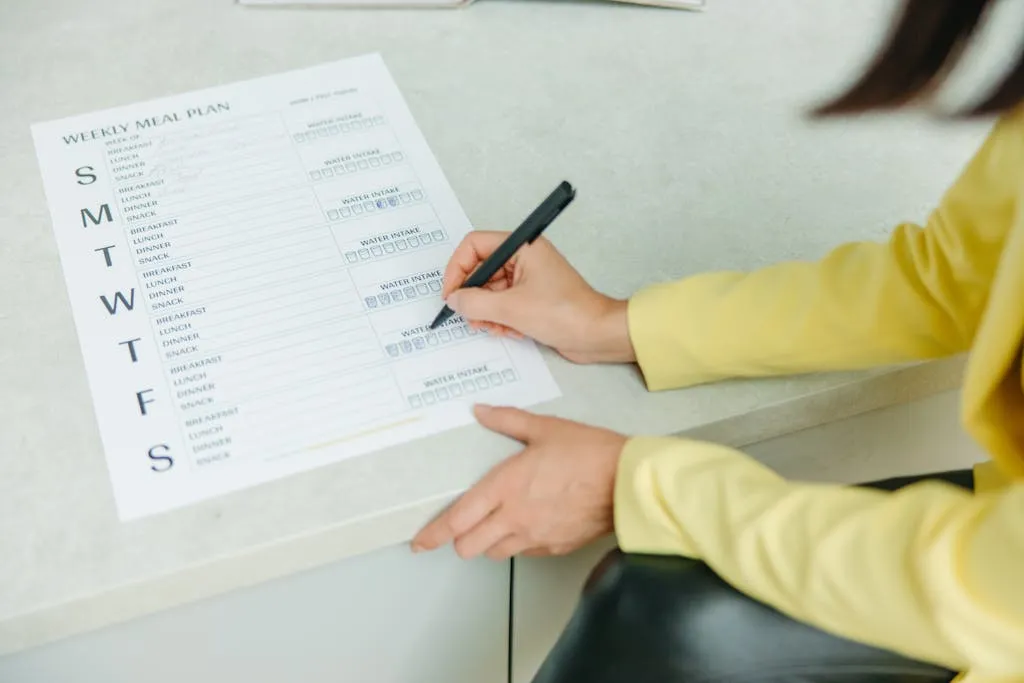
- Make a meal plan and shopping list based on a week’s meals. While at the store, remember to read nutrition labels carefully to check for added sugars and unhealthy fats.
Are sugar-free products always safe?
Not necessarily. While sugar-free products don’t contain regular sugar, some of them can still raise your blood sugar, though more slowly. Some of them are also high in unhealthy fats, sodium, or calories, making them non-ideal for overall health.
Sugar-free products containing sugar alcohols (like sorbitol and xylitol) can cause digestive issues like gas and diarrhea when consumed in large amounts.
Here are diabetes-friendly sugar substitutes you can use in your cooking or look for in store-bought products.
What should I remember?
Living with diabetes doesn’t mean giving up good food. With the right plan, you can still enjoy meals that are healthy, tasty, and satisfying.
Start small. Make simple changes. Choose healthy carbs, proteins, healthy fats, and watch portions.
Consider consulting a registered dietitian to make sure your meal plan is safe and tailored to your needs.