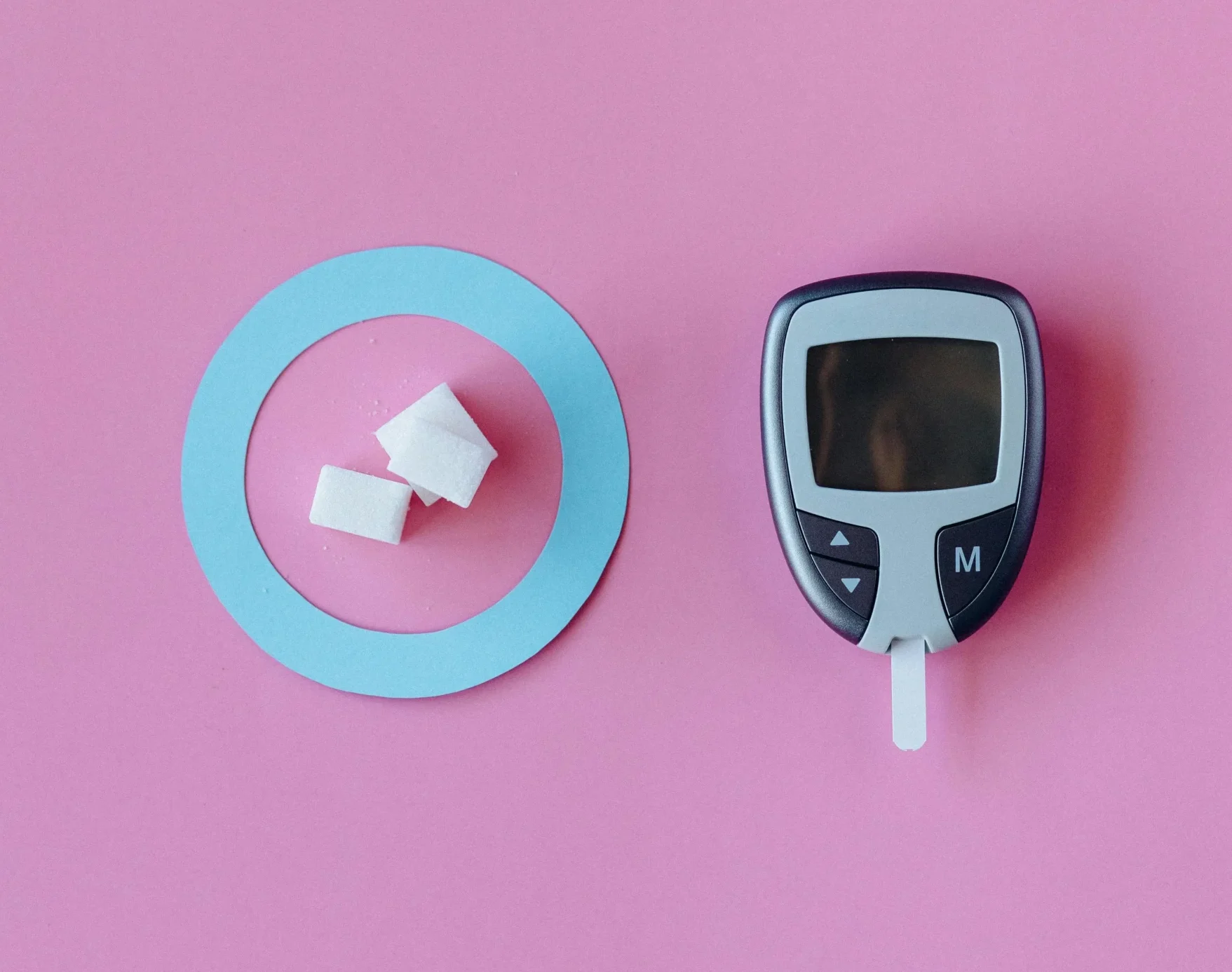

A low-carb diet is an eating plan that limits your carbohydrate (carb) intake while encouraging consumption of protein, fat, and non-starch vegetables.
The diet has different variations, each with its own daily carbohydrate limit. Generally, though, a typical low-carb diet provides less than 26% of daily calories from carbs. On a 2000-calorie diet, that works out to about 130 grams of carbohydrates per day.
While low-carb diets have gained popularity for their potential benefits, they also have a number of potential risks.
In this article, we’ll provide a general overview of low-carb diets, including what foods to eat and tips for success.
What are the different variations of low-carb diets?
Depending on your goals, preferences, and how strict you want to be, there are several approaches to limiting carbs. Some common variations include:
- Ketogenic (Keto) diet: It is extremely low in carbs (usually under 20–50 grams per day), high in fat, and moderate in protein.
- Paleo diet: The paleo (short for Paleolithic) diet focuses on eating like early humans did, emphasizing whole, unprocessed foods that could be hunted or gathered.
- Atkins diet: Here, carb intake begins as low as that of the keto diet, then gradually increases over time.
- Dukan diet: It is a high-protein, low-carb plan that progresses through four structured phases to support weight loss.
- South Beach diet: It is less carb-restrictive than keto or Atkins, focusing on balancing “good” and “bad” carbs. It emphasizes consumption of lean protein, healthy fats, and low-glycemic carbs.
- Protein Power diet: Created by 2 doctors, it limits carb intake and encourages high protein and moderate fat intake.
What are the potential benefits of a low-carb diet?
Low-carb diets have shown to:
- Promote weight loss. However, for those on very restrictive low-carb diets, sticking to the plan can be difficult. This makes it difficult to maintain the weight loss over the long term.
- Lower blood sugar levels and improve insulin sensitivity. This is especially helpful if you have type 2 diabetes or prediabetes.
- Raise HDL (good) cholesterol and reduce triglyceride levels in blood.
- Reduce blood pressure in people with prediabetes or type 2 diabetes.
What foods can I eat on a low-carb diet?
Foods you can enjoy while on this diet are:
Low-carb vegetables
They are low in digestible (net) carbs because they are mostly made up of fiber and water. They include:
- Leafy greens, like spinach, kale, and romaine
- Broccoli, cauliflower, zucchini, bell peppers, mushrooms, cucumber, and asparagus
Protein-rich foods
- Eggs
- Poultry, beef, pork, lamb
- Fish and seafood (especially fatty fish, like salmon)
Healthy fats
- Avocado and avocado oil
- Olive oil
- Coconut oil
- Nuts and seeds (in moderation), such as chia seeds, walnuts, sunflower seeds, and walnuts
Dairy products
- Unsweetened Greek yogurt
- Cheese
- Butter and heavy cream
What foods should I avoid or limit?
It’s important to reduce or eliminate foods that are high in carbohydrates, especially those that are quickly digested. These foods include:
Sugary foods and drinks
- Soda, energy drinks, sweetened coffee, and tea
- Candy, cakes, cookies, ice cream, and granola bars
- Breakfast cereals
Grains and grain-based products
- Bread (especially white bread)
- Pasta and rice
- Tortillas
- Crackers
- Whole grains like quinoa, brown rice, and oats. These are moderate to high in carbs.
Starchy vegetables
- Potatoes, sweet potatoes, peas, corn
- Pumpkins (in large amounts)
High-sugar fruits
- Bananas, mangoes, grapes, pineapples
- Fruit juices and dried fruits
Alcoholic drinks
- Beer, sweet wines, liqueurs, and cocktails with mixers are high in carbs.
- Dry wines and pure spirits (vodka, gin, whiskey) are lower in carbs and can be taken in moderation.
What are the potential side effects of low-carb diets?
When you’re on a low-carb diet, your body starts to use fat for energy instead of carbs. This leads to production of chemicals called ketones, which can cause:
- Headaches
- Fatigue
- Nausea and vomiting
- Muscle cramps
- Fruity or metallic breath odor
These symptoms usually improve within a few days or weeks.
Some people experience diarrhea or constipation, especially if their diets lack fiber from vegetables, nuts, or seeds.
Poorly planned low-carb diets can lead to low intake of essential vitamins. A healthcare professional can help you create a balanced plan and recommend supplements if needed.
Is a low-carb diet safe for everyone?
No, it is not safe for everyone. You may need to avoid the diets or talk with a healthcare professional before adopting them if you:
- Have type 1 diabetes
- Are taking “gliflozin” drugs, like canagliflozin, dapagliflozin, or empagliflozin to manage your blood sugar
- Have kidney disease
- Are pregnant or breastfeeding
- Have history of an eating disorder
- Are under 18 years
Tips for low-carb success
Here are some simple yet effective strategies to help you get the most out of your low-carb journey:
- Plan your meals ahead of time to avoid last minute carb-heavy choices. If possible, you should stock your kitchen with low-carb foods that are part of your meal plan.
- Read food labels to check for hidden sugars and carbs.
- Stay hydrated to support digestion and reduce cravings.
- Eat enough fat and protein to keep you full and energized.
- Track your progress using a journal or app to stay motivated.
- Allow flexibility for occasional treats or social events.
- Be patient with yourself. Give your body time to adjust, especially in the first few weeks of the diet.
Can I exercise while on a low-carb diet?
Yes, you can. However, it may take a little time for your body to adjust. During the first week or two, you may notice reduced stamina or fatigue as your body learns to burn fats (and ketones) for energy instead of carbs.
Staying hydrated, getting enough electrolytes, and eating adequate protein can improve your energy levels and recovery even during the initial few weeks.
Some people may also benefit from timing small amounts of carbs around workouts whenever necessary.
What should I remember?
A low-carb diet can be a simple yet powerful way to improve your health. It helps with weight loss, blood sugar control, and increasing blood levels of good cholesterol.
The key is to eat low-carb vegetables, proteins, and healthy fats while avoiding sugary, processed options.
Start slow, listen to your body, and be patient. Before committing to the diet, talk to your doctor if you have health conditions or take medication.