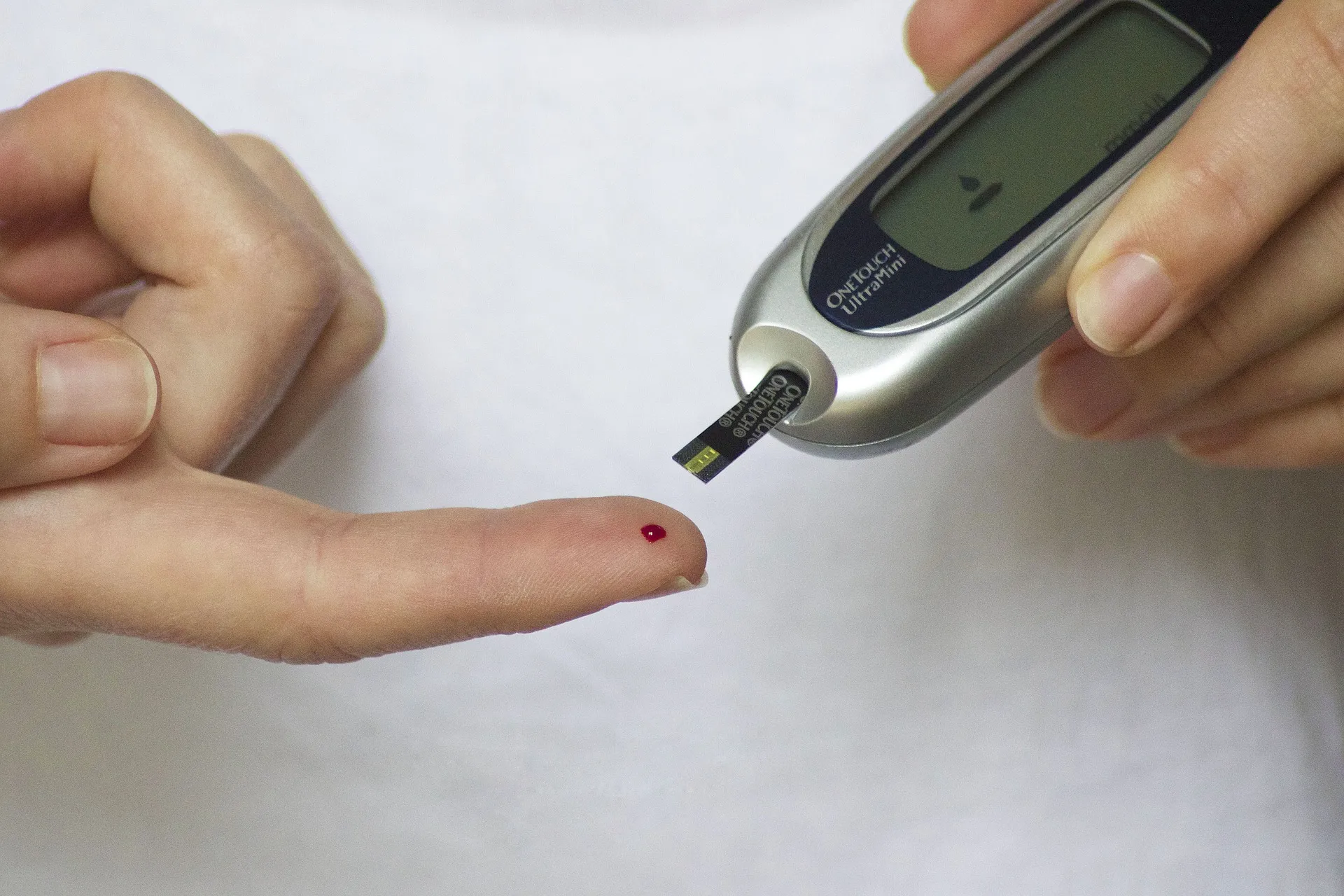

Diabetes self-care involves daily habits that help you manage your blood sugar levels and reduce the risk of complications. These habits often include blood sugar monitoring, taking medications as prescribed, eating healthy meals, staying physically active, and proper foot care.
At first, sticking to your daily care routine may feel manageable or even empowering. But over time, you might feel frustrated by slow progress, discouraged by setbacks, or simply worn out by the never-ending routine. These feelings can then slowly chip away at your motivation.
The key to dealing with dips in motivation is to find strategies that keep you engaged and supported. We’ll provide 10 such strategies to help you stay on track with your diabetes care even when you don’t feel like it.
10 Powerful Ways to Stay Motivated with Diabetes Self-Care — Even on Hard Days
1. Set small, meaningful goals
Big health goals can feel overwhelming. Work with your healthcare team to break them into small, manageable steps. These are easier to commit to and build momentum over time.
For example, instead of aiming for a “perfect blood sugar”, aim for smaller reductions over defined time periods. You can then focus on habits that help you achieve these small goals consistently.
Also, give your goals personal meaning beyond numbers. When your goals are tied to your life, they feel more worth fighting for. For example, think about what a healthy blood sugar allows you to do. Maybe it’s enjoying your hobbies or having enough energy to interact with your family and friends.
2. Track your progress
You can use a phone app, journal, or simple calendar to record things like blood sugar, exercise, meals, mood, or energy levels. Patterns start to emerge over time. You might notice that certain foods spike your blood sugar or that you sleep better on days when you exercise.
These insights not only keep you accountable, but also help you stay connected to your efforts, which can be motivating. They may also help you make adjustments that create a more impactful and enjoyable schedule.
3. Celebrate your wins
While taking care of yourself, success isn’t just about hitting ambitious weight goals or A1C levels. You might have more energy, sleep better, feel less stressed, or stick to a habit longer than before. These non-scale victories deserve attention too. They remind you that your work is paying off in ways that matter to you.
Make it a habit to recognize your progress. Write down your wins or talk about them with someone supportive. You can even reward yourself in healthy ways, like watching the latest popular movie, taking time off for a hobby, or buying something you like. That might just be what you need to sustain motivation.
4. Build healthy habits into your identity
Staying motivated is easier when self-care becomes part of who you are, not just a chore. You should aim to build a routine that feels natural and flexible.
You don’t have to change everything at once. Start with 1–2 consistent actions, like jogging after work, examining your feet every morning, prepping healthy snacks over the weekend, or attending a support group on a particular day. You can then slowly adjust the frequency or intensity of these activities as necessary. As they become routine, they reinforce your identity and make it harder to drop them when life gets difficult or busy.
5. Lean on a support system
You don’t have to manage diabetes alone. A strong support system not only encourages healthy choices and keeps you accountable, but can also lift you up, especially on days when you’re low on motivation.
You can choose to involve family, friends, diabetes support groups (online or in-person), a counselor, or health coach.
As you build a support system, remember that you don’t need a large group of people or to share every detail of your care journey. It’s okay if you’re comfortable taking advice from certain people while being exercise or cooking buddies with others. Likewise, having just one person to celebrate small wins or share tough days with may be all you need to keep you going.
6. Use diabetes tech tools
Even though you can manage diabetes without utilizing technology, it can make self-care faster and easier. Tech tools you can pick from include continuous glucose monitors (CGMs), insulin pumps, smartphone apps, fitness trackers, and smartwatches.
Depending on your personal needs and goals, these tools can help you remember medications and track things like sugar levels, meals, physical activity, and other health metrics. This gives you a clearer picture of how your body responds day to day and relieves you of certain routine tasks. When the logistics feel simpler, it’s a lot simpler for you to stick with your plan and stay motivated.
Remember to only use tech tools validated by healthcare professionals.
7. Stick to what you enjoy
Daily self-care shouldn’t feel like a punishment because you’re more likely to stay motivated when you actually enjoy what you’re doing.
Diabetes-friendly lifestyle changes typically have room for personalization. With your care team, you can create exercise routines, meal plans, and strategies for limiting alcohol that fit your lifestyle. For example, if you like walking and cycling, they can help you build a routine around those activities that still meets your weekly activity goals. You can also have them suggest diabetes-friendly versions of your favorite meals.
8. Keep learning
Understanding your condition makes it less scary and more manageable. Read trusted websites, watch videos, schedule appointments with a diabetes educator, or join webinars that focus on real-life diabetes management.
Start by learning the basics, such as what diabetes is, how your medications work, and how food and exercise affect your blood sugar. Over time, you can explore new research or tools that might help you manage better.
Just be sure to check with your doctor before making any changes to your plan. And don’t feel pressured to keep up with everything. Learning at your own pace is more helpful than trying to absorb too much at once.
9. Prioritize your mental health
Managing diabetes takes daily effort, which can wear you down emotionally. The resulting stress and negative self-talk can quietly drain your motivation and even impact your blood sugar.
But, diabetes self-care isn’t all-or-nothing. Some days don’t go as planned, and that’s okay. Be kind to yourself when things slip. Then, try simple strategies like deep breathing, meditation, journaling, or gentle movement. This will help you reset, allowing you to move forward.
If mental struggles persist despite efforts by you or your loved ones to have them resolved, you might need to see a mental health professional. They can suggest medications or other strategies to help you regain motivation and take better care of yourself.
10. Get enough sleep
Poor sleep affects diabetes care in many ways. It can raise your blood sugar, increase cravings, influence decision making, and lower motivation. That’s why, although often overlooked, prioritizing sleep is as important as healthy eating and exercise.
Aim for 7–9 hours of quality sleep every night. Improve your sleep routine by sleeping at the same time every day, creating a calm sleeping environment, using a sleep tracker, and avoiding heavy meals, caffeine, or screens before bed.
Poor sleep can also be due to certain medical conditions. If your partner or family notices loud snoring, or if you experience excessive daytime sleepiness, trouble concentrating, morning headaches, and irritability, consider seeking medical intention.
When you’re well rested, every aspect of daily care will feel more doable.
The Takeaway
The challenges of constant diabetes self-care can drain motivation. But, staying motivated is about showing up for yourself, even on hard days.
You don’t need to do everything at once. Focus on what works for you, lean on support when you need it, be patient with yourself and seek professional medical help whenever necessary.