Sodium is an abundant mineral that plays important roles in fluid balance, nerve function, muscle contraction, and blood pressure regulation. Still, most people consume more sodium than recommended, with much of it coming from processed and packaged foods.
An average American adult consumes about 3,400 mg of sodium per day, well above the recommended limit of 2,300 mg. Globally, the World Health Organization estimates that adults consume an average of 4,278 mg per day. This is more than twice its recommended daily limit of 2,000 mg.
If you’re sticking to a low-sodium diet because you have high blood pressure, kidney disease, heart disease, or are simply aiming for a healthier diet, you may have noticed your food starting to taste bland. There’s something you can do about that. The right combination of herbs and spices can bring your meals back to life.
In this guide, we’ve rounded up 15 salt-free and low-sodium blends you can buy online or at your local store.
To build the list, we evaluated the blends on four things: sodium content, ingredient quality, flavor complexity, and how well they hold up in everyday cooking. We then grouped them by the flavor job they do best so you can jump to the one that fits your meals best.
Our four standout picks:
- For savory depth: Savory Spice Four Mushroom Umami Blend
- Best smoky and spicy middle ground: Dash Southwest Chipotle Blend
- Very versatile: Cavender’s Salt-Free All Purpose Greek Seasoning
- For adventurous global meals: The Spice Way Ras El Hanout
Category 1: The “Umami Bombs”
Umami (the fifth taste) is that savory mouth-filling richness that makes food deeply satisfying. When you remove salt from your meals, umami fills the gap. These “umami bombs” use ingredients like mushroom powder, nutritional yeast, roasted garlic, onion powder, and smoked paprika to build a fuller, more satisfying flavor without relying on sodium.
1. Mushroom blends
Mushrooms naturally contain glutamate, an amino acid associated with umami. Research on umami and salt reduction suggests that increasing umami intensity can help maintain flavor satisfaction when sodium is reduced.
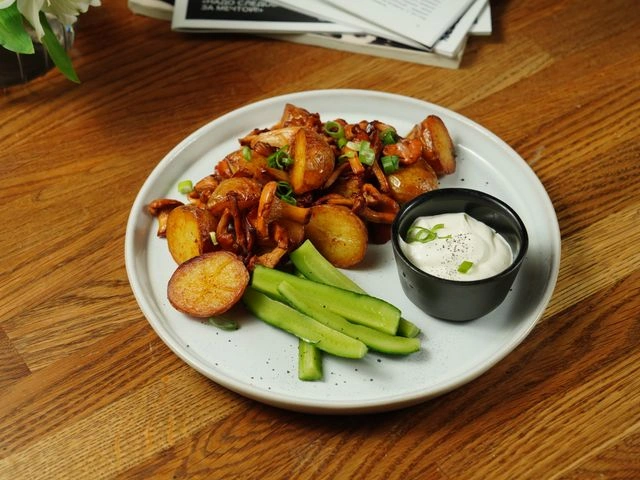
Mushroom blends are typically built around shiitake, porcini, portobello, oyster, creminis, maitake, and white mushrooms. They’re useful for soups and stews, roasted vegetables, veggie burgers and tofu for plant-based meals, gravies, and pan sauces. For a particularly mushroom-forward option, try Savory Spice Four Mushroom Umami Blend, which combines four types of mushrooms with herbs and aromatics.
Check out the Savory Spice Four Mushroom Umami Blend on Amazon.
2. Nutritional yeast-based blends
Like mushrooms, nutritional yeast can contribute glutamate and umami, which helps explain its characteristic savory flavor. However, nutritional yeast also delivers a cheesy, slightly tangy character. Bragg Premium Nutritional Yeast Seasoning is a very-low-sodium option that you can sprinkle over popcorn, pasta dishes, roasted chickpeas, vegetables, and other foods where you want something closer to the richness of cheese without adding salt.
Get the Bragg Premium Nutritional Yeast Seasoning on Amazon.
3. Garlic and onion-heavy savory blends
Garlic and onion work differently from umami-rich ingredients such as mushrooms. Their strong aromas and savory flavors add sensory intensity, which can make a lower-sodium dish feel more flavorful overall. This is especially useful in salt-free blends, where garlic and onion are often paired with black pepper, tomato, bell pepper, or herbs.
For everyday cooking, McCormick Garlic & Herb Salt-Free Seasoning is a great option to consider. It works well with roasted poultry, mashed potatoes, eggs, grain bowls, and stir-fries.
Check out McCormick’s Garlic & Herb Salt-Free Seasoning individually or as part of their variety pack, which includes three other tasty salt-free blends, on Amazon.
Category 2: The Smoky and Spicy Kicks
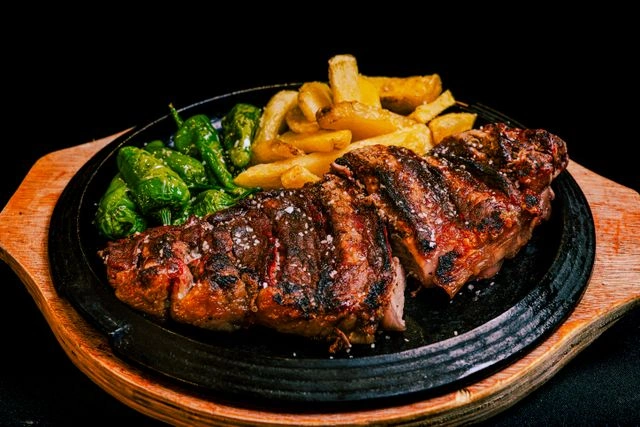
Not every salt-free seasoning has to recreate the savory character of salt. Spicy and smoky ingredients work through a different sensory pathway. Chili peppers activate trigeminal sensations such as heat and pungency, while smoky spices add a strong roasted character. Together, they can give your food a strong sensory impact even when little or no sodium is added.
4. Southwest Chipotle blends
Chipotle peppers are smoke-dried jalapeños that contain capsaicin, the compound responsible for their heat. Capsaicin produces a trigeminal sensation rather than a basic taste, giving the palate an additional layer of intensity that can be useful when you’re cutting back on salt.
A great and popular blend is Mrs. Dash Southwest Chipotle whose ingredients include cayenne pepper, chipotle chili pepper, dried onion, dried garlic, and lime juice solids. It is great for tacos, fajitas, grilled steak, roasted sweet potatoes, and black bean chili.
Check out the Dash Southwest Chipotle Salt-Free Seasoning Blend on Amazon.
5. Salt-free taco seasonings
Cumin does more than provide the signature earthy aroma of taco seasoning. Research on aroma-taste interactions suggests that certain spice aromas can enhance the perception of saltiness through cross-modal sensory interactions. In other words, the brain combines information from smell and taste when judging how salty a food seems, which may help explain why cumin can make low-sodium foods more satisfying.
Regular store-bought taco packets often pack 200–500 mg of sodium per serving. But, there are salt-free blends like Dash Taco Seasoning Mix which swap the salt for chili pepper and spices. For bulk buyers, Frontier Co-op Salt-Free Taco Seasoning offers a certified organic, zesty blend of chili peppers, garlic, paprika, tomato, oregano, and cayenne.
Besides tacos, these blends can also add flavor to your ground turkey, lean beef, sheet-pan fajitas, and burrito bowls with black beans and brown rice.
Get the Dash Taco Seasoning Mix and the Frontier Co-op Organic Taco Seasoning on Amazon.
6. Cajun and Creole-inspired blends
Smoked paprika contributes roasted, smoky, and slightly sweet notes, while cayenne brings capsaicin-driven heat. The combination creates multiple layers of sensory intensity that give lower-sodium dishes a stronger overall flavor.
Savory Spice Cajun Blackening delivers authentic Louisiana flavor without adding sodium to your food. Or you can try Mrs. Dash Salt-Free Cajun Seasoning. It’s a blend of paprika, black and cayenne peppers, onions, garlic, thyme, oregano, celery seeds, and other spices. You can use any of these blends for seasoning pan-fried pork, gumbo, jambalaya, or roasted corn.
Check out the Savory Spice Salt-Free Cajun Blackening and Dash Salt-Free Cajun Seasoning on Amazon.
7. Spicy Citrus Blends
Citrus aromas can also influence how we perceive flavor. Limonene, a compound that contributes to the characteristic aroma of citrus, improves perceived saltiness through aroma-taste interactions. Thus, combining chili heat with citrus gives these blends an intense sensory profile that makes up for the lack of sodium.
Spicy citrus blends are ideal for roasted corn, grilled fish or shrimp, fresh mango, and watermelon. If you’d like to elevate your dishes with this flavor, try True Lime’s Lime, Garlic & Cilantro blend. It’s also gluten-free and has no artificial sweeteners, preservatives, or synthetic colors.
Check out the True Lime Lime, Garlic & Cilantro Spice Blend on Amazon.
Category 3: The Mediterranean and Herbaceous
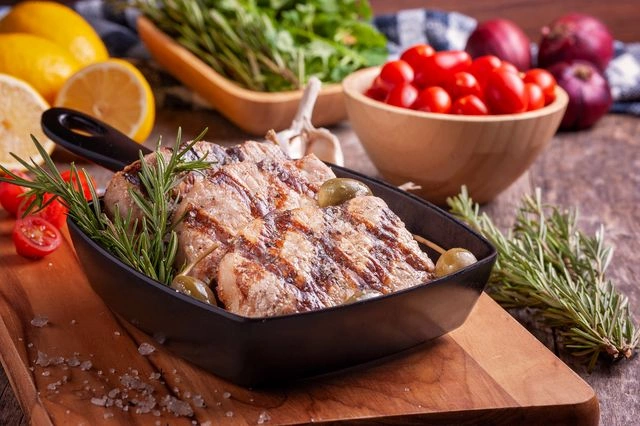
These blends rely on herbs like rosemary, thyme, dill, basil, and oregano to elevate meals.
8. Herbes de Provence
Herbs like rosemary, thyme, and lavender create a complex mixture of aromas that can increase the perceived intensity and complexity of a dish. This makes aromatic herb blends useful when you’re reducing salt but still want your food to taste distinctive rather than flat.
Herbes de Provence blends are usually great for salad dressings, roasted lamb or rabbit, scrambled eggs, and roasted vegetables (potatoes, egg plant, zucchini, ratatouille). Morton & Bassett Herbs From Provence is a premium all-natural option that contains classic French herbs.
See Morton & Bassett Herbs From Provence on Amazon
9. Salt-free Italian blends
Italian seasoning is the oregano-forward relative of Herbes de Provence. Italian blends skip the lavender and fennel and instead lean into oregano, basil, sage, and marjoram for their herbaceous flavor.
Try the Simply Organic Italian Seasoning, an organic, salt-free blend of basil, rosemary, marjoram, thyme, sage, and oregano. You can also consider the Mrs. Dash Salt-Free Italian Medley which adds garlic, onion, cayenne pepper, red bell pepper, and citric acid to the classic herb profile.
Italian blends can be used when preparing pasta sauces, pizza, roasted vegetables, salad, garlic bread, grilled fish, and chicken.
Get the Simply Organic Italian Seasoning and the Dash Salt-Free Italian Medley on Amazon.
10. Salt-free Greek seasoning
These are flavorful blends that deliver the classic tangy, herbaceous punch of Greek cuisine without any added sodium. They typically contain Greek oregano, thyme, parsley, basil, and citrus.
Cavender’s Salt-Free All Purpose Greek Seasoning is a blend of fifteen ingredients that delivers on flavor and versatility. However, it uses potassium chloride instead of sodium chloride. If you have kidney disease or are taking medications that can raise potassium levels, you may need to check with your doctor before using the blend.
Salt-free Greek seasoning is perfect for chicken, Mediterranean grain bowls, grilled fish, green beans, lamb souvlaki, and roasted potatoes.
Check out Cavender’s Salt-Free All Purpose Greek Seasoning on Amazon.
11. Zesty lemon-dill blends
Combining bright citrus aroma with dill, garlic, and onion creates a layered flavor profile that can make relatively simple foods taste more vibrant and complete. One top option that combines these flavors is The Spice Hunter Deliciously Dill Blend. It is a salt-free, gluten-free, and kosher-certified blend. You can use it to season salmon, roasted asparagus, green beans, steamed potatoes, vinaigrettes, and coleslaw.
Get The Spice Hunter Deliciously Dill Blend on Amazon.
Category 4: The Global Explorers
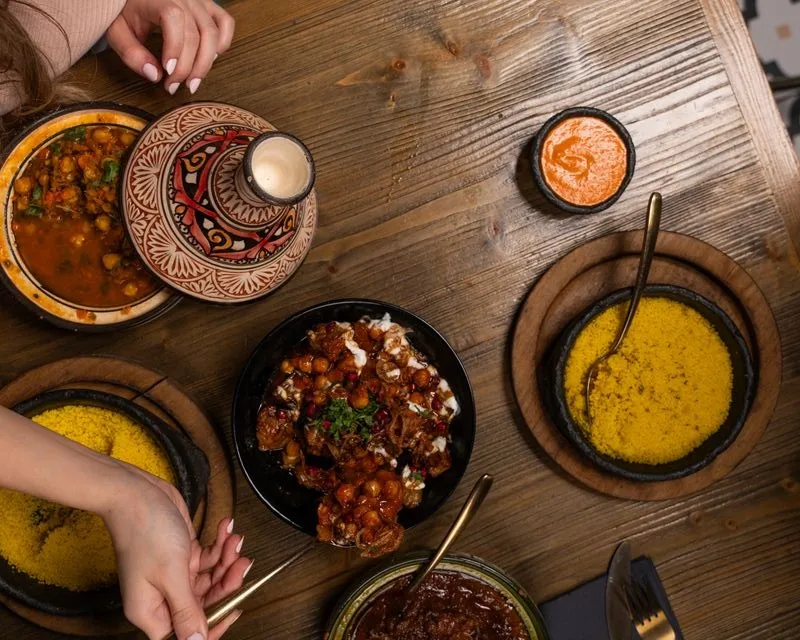
These are exotic blends that introduce complex layers or earthy, tangy, warm, or spicy flavors to make salt feel unnecessary.
12. Za’atar
This is a Middle Eastern staple that is traditionally built around ingredients like dried thyme or oregano, roasted sesame seeds, and sumac. It delivers a lemony, earthy, aromatic flavor that’s subtle yet deep. You can pair it with flat breads (manakish), poached eggs and shakshuka, roasted chicken, roasted potatoes, hummus, and yogurt.
Badia Za’atar is a salt-free, kosher, and halal-certified blend containing sesame seeds, sumac, canola oil, and other spices. The Spice Way Real Zaatar is another option worth checking out. It is a very-low-sodium blend that also contains hyssop.
Get the Badia Za’atar Seasoning and The Spice Way Real Zaatar on Amazon.
13. Ras el Hanout
This is a North African spice blend associated especially with Moroccan cuisine. Its exact ingredients vary, but blends often combine warm, earthy, sweet, and aromatic spices. These can make a dish feel much more flavorful without relying on salt as the primary source of intensity.
One blend you can use to capture the iconic North African warmth is The Spice Way Ras El Hanout. It is salt-free blend with twelve ingredients which makes it perfect for Moroccan slow-cooked stews, couscous, rice pilaf, grilled meats, and roasted root vegetables (carrot, parsnips, beets).
Check out The Spice Way Ras El Hanout on Amazon.
14. Salt-free curry powder
Curry powder typically includes turmeric, coriander, cumin, fenugreek, ginger, and sometimes cinnamon. The result is a seasoning that builds flavor through the combined aroma, bitterness, warmth, and pungency of its ingredients rather than through salt alone.
Rani Curry Powder Mild is salt-free, ten-spice authentic Indian blend with no chili or peppers. It’s perfect for heat-free vegetable or chicken curries, stews, rice, quinoa, couscous, roasted root vegetables, and salad dressings.
Get Rani Mild Curry Powder on Amazon.
15. Shichimi Togarashi (chili-citrus blend)
Shichimi Togarashi is a Japanese seven-spice blend that usually combines chili pepper, sansho pepper, orange peel, sesame seeds, ginger, and nori (seaweed) along with other spice or seasoning. Together, the ingredients create a flavor that is citrusy, nutty, aromatic, and pleasantly spicy. If you’d like to add this flavor profile to ramen, udon, grilled fish, grilled chicken, rice bowls, or stir fries, the Fusion Select Shichimi Togarashi Seasoning is a tasty, very-low-sodium option.
See the Fusion Select Shichimi Togarashi Seasoning on Amazon.
What is the difference between salt-free and low-sodium blends?
According to the FDA, a product is salt/sodium free if it contains less than 5 mg of sodium per serving, and low sodium if it contains 140 mg or less per serving. Other useful definitions are:
- Very low sodium: 35 mg or less per serving.
- Reduced sodium: at least 25% less sodium than the regular version
- No salt added/unsalted: no salt is added during processing. These products can still contain sodium.
The best way to find out how much sodium you’re actually getting per serving is to check the Nutrition Facts label. If you plan on using a low-sodium blend, remember that it can still contribute considerably to your intake if you use several servings during the day.
The Takeaway
Cutting back on sodium doesn’t mean giving up flavorful food. Mushroom-based blends are useful when you want savory depth, smoky and spicy blends bring intensity to grilled foods and tacos, herbaceous blends work across everyday meals, and global spice blends can completely change the character of a dish.
If you’re not sure where to start, choose one blend that matches the food you cook most often. You can always build your collection from there.