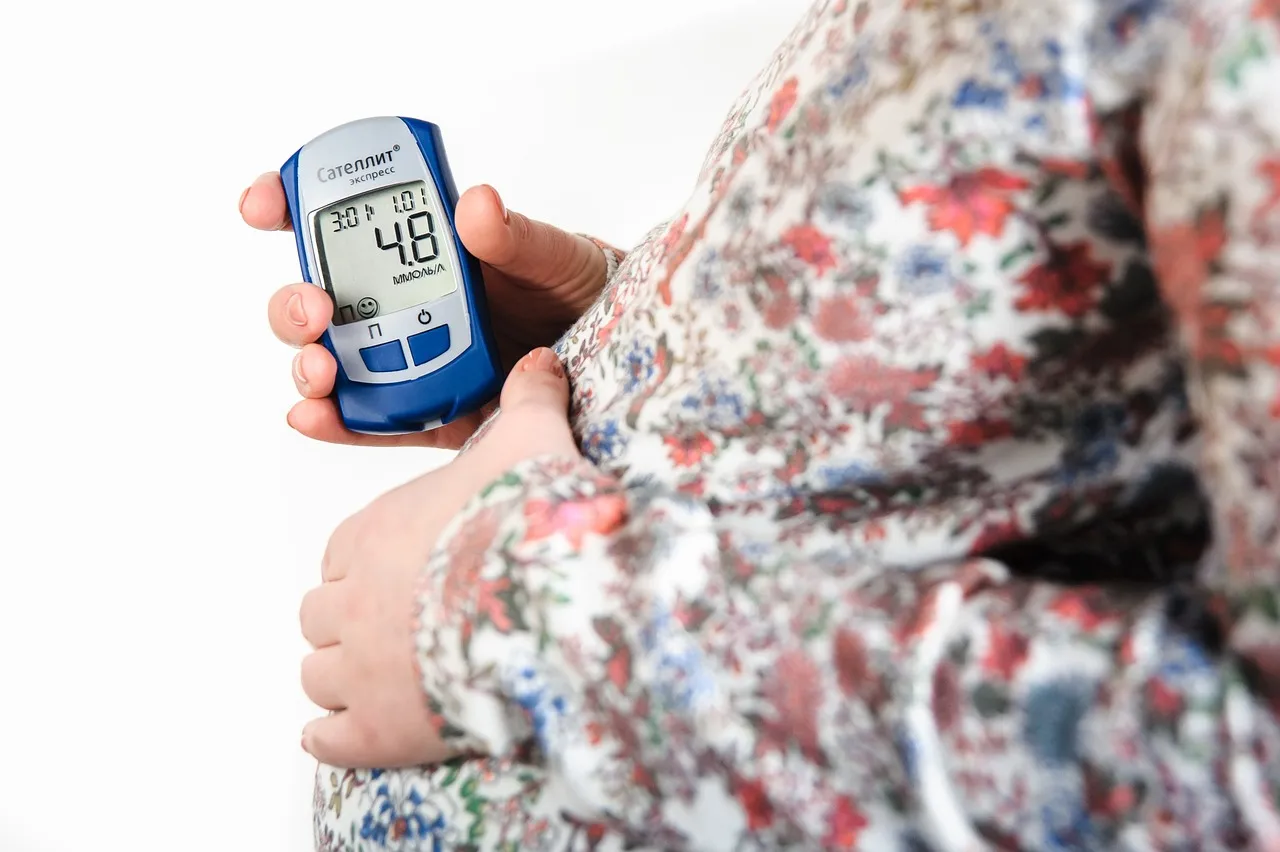
According to a study published in the British Medical Journal (BMJ) by researchers from the University of Pennsylvania, patients with type 2 diabetes treated with GLP-1 medications (like Ozempic, Mounjaro) are more likely to experience hair loss than those taking other diabetes medications.
With one in ten Americans now taking GLP-1s to support blood sugar control and weight loss, this study adds evidence to a concern that has persisted in patient forums and doctors’ offices: Is my medication making my hair fall out?
What did the UPenn study actually find?
The researchers analyzed electronic health records of adults with type 2 diabetes seen within the University of Pennsylvania Health System and started a new medication between January 2019 and September 2024. They compared 12,004 people starting GLP-1s with 15,221 starting SGLT-2 inhibitors (like Jardiance, Farxiga, Invokana), and another 11,964 starting GLP-1s with 11,238 on DPP-4 inhibitors (like Januvia, Onglyza, Tradjenta).
After adjusting for factors like age, sex, BMI, race, other medications, and existing conditions, GLP-1 users had a 37% higher risk of hair loss than SGLT-2i users and a 68% higher risk than DPP-4i users.
The percentages in the study represent a relative risk, not the percentage of GLP-1 users who developed hair loss. The actual rate of newly recorded cases of hair loss was about 6 to 7 per 1,000 GLP-1 users per year. This compares to about 5 new cases per 1,000 SGLT-2i users and about 4 per 1,000 DPP-4i users.
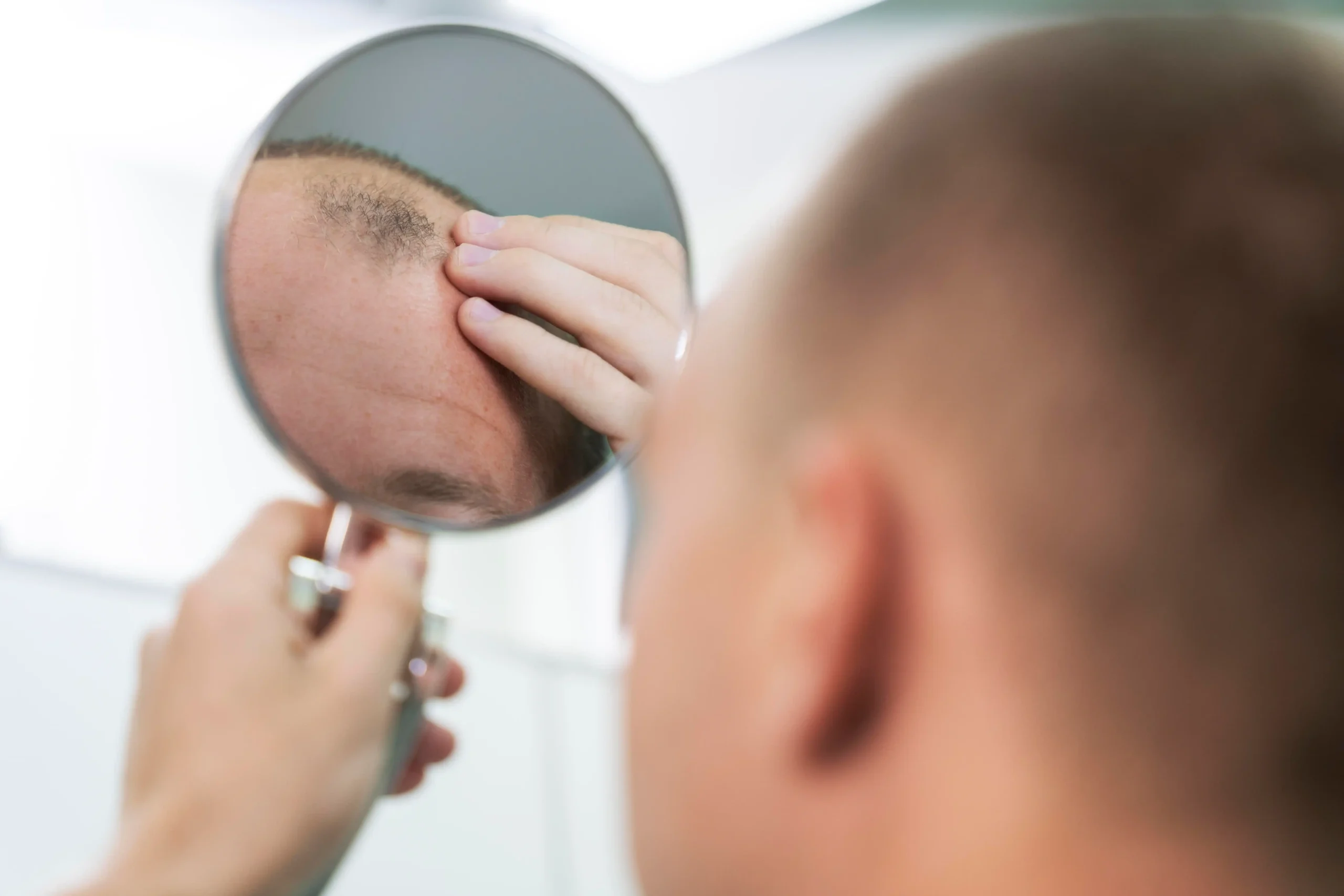
In the study, most of the hair loss recorded was non-scarring alopecia, meaning the hair follicles are not permanently destroyed and hair can regrow. However, the study team could not ascertain the severity, extent, or duration of hair loss, or whether it was reversible after stopping treatment.
Why might GLP-1s cause hair loss?
The researchers don’t yet know why hair loss might occur in people taking GLP-1 medications. Even so, they believe the most likely culprit is the rapid weight loss these drugs cause.
One possible explanation is telogen effluvium, a form of temporary hair shedding that can occur after the body experiences a major physical or emotional shock. When this happens, more hairs than usual enter the resting phase of the hair-growth cycle and are subsequently shed.
Dr. George Costarelis, a co-author of the study and chair of dermatology at Penn’s Perelman School of Medicine, acknowledged that while rapid weight loss is the most likely cause, it is possible that the drugs cause hair loss through a different mechanism that has yet to be identified.
Other mechanisms of hair loss suggested by the researchers include:
- Reduced food intake, which causes deficiency of micronutrients critical for hair health, such as iron, zinc, and biotin.
- GLP-1s slow stomach emptying, potentially interfering with the effectiveness of orally administered hormone replacement therapies for thyroid and sex hormones, which in turn may contribute to hair loss.
- GLP-1s may influence hair follicles through hormonal pathways, including effects on thyroid hormone metabolism.
Can you prevent or reduce hair loss while taking GLP-1?
Yes, there are steps you can take to protect your hair while on these medications.
- Don’t try to lose weight faster than is necessary. In case you notice rapid weight loss, discuss with your clinician about reducing your dose.
- Consume balanced meals rich in proteins and micronutrients necessary for hair growth. However, you should take nutritional supplements only after consulting with your doctor or nutritionist.
- During active shedding, avoid over washing or aggressive towel-drying, blow dryers, straighteners, and tight ponytails, buns, or braids.
- Talk to your dermatologist about minoxidil (Rogaine), especially if you have a family history of baldness or thinning.
- Consider getting help to stop smoking tobacco, if you’re a smoker.
- Seek medical help if your hair loss persists or worsens for more than six months, or you develop patchy bald spots, scalp redness, or scaling. You may have a condition unrelated to GLP-1-associated shedding.
If hair shedding is severe, consider using a volumizing shampoo or a hair-camouflaging powder or spray to make thinning less noticeable.
The Takeaway
For now, hair loss appears to be an uncommon but possible concern for people taking GLP-1s. If you notice unusual or persistent shedding, talk to your healthcare professional rather than stopping treatment on your own.
Additional research is needed to confirm a direct GLP-1-associated mechanism of hair loss.