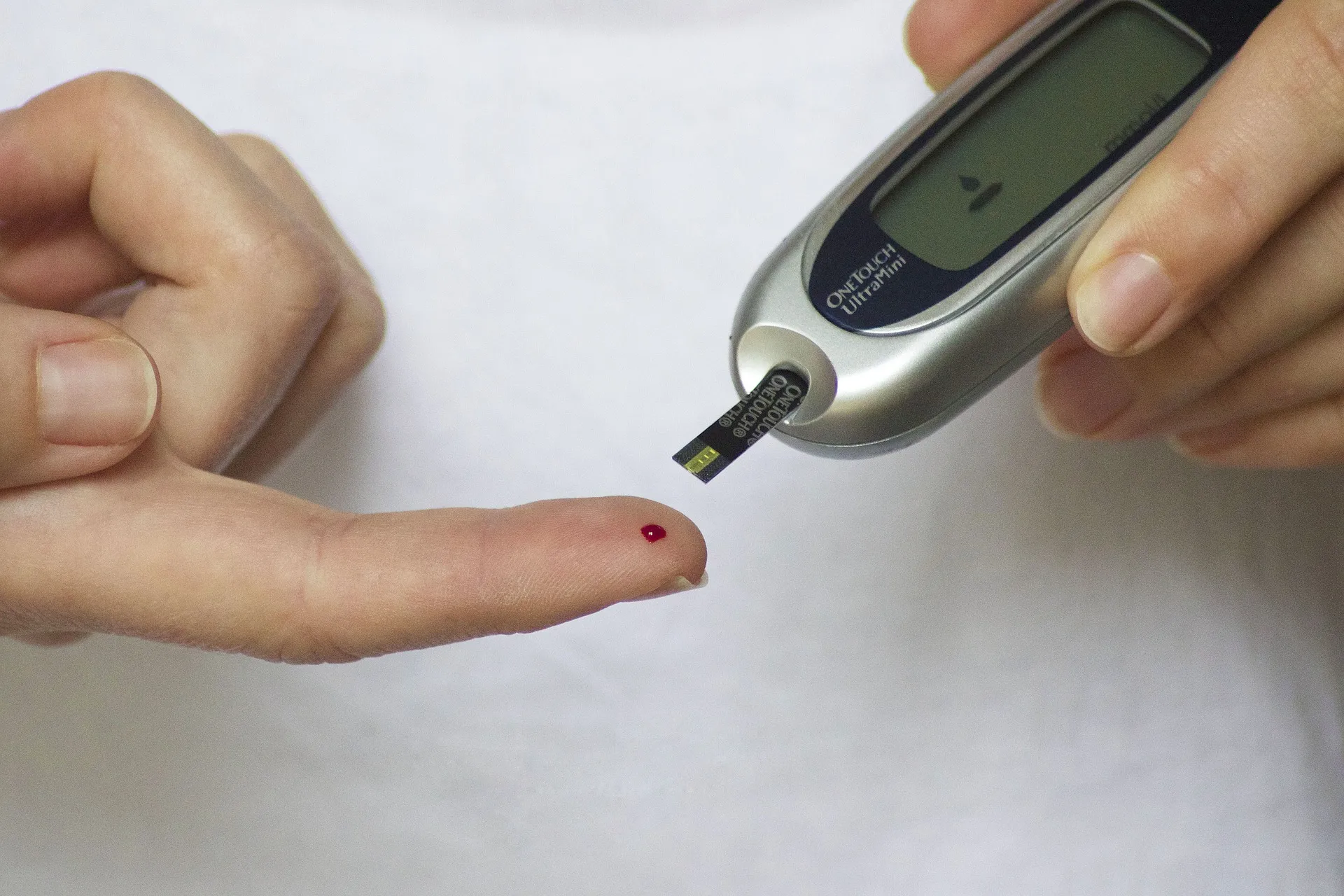

Diabetes is a chronic medical condition that affects nearly every aspect of the lives of people living with it. They have to watch what they eat, make time for regular exercise, take medications promptly, track blood sugar levels, and keep up with doctors’ appointments. All this can be mentally and physically exhausting.
If you have a partner, family member, friend, workmate, or classmate living with diabetes, your support can make a significant difference in how they manage their condition. This article will offer tips on how to be a compassionate, practical source of support without losing yourself in the process.
9 ways you can support someone living with diabetes
1. Understand the basics
Before you can truly support someone with diabetes, it’s important to understand what they’re dealing with.
Diabetes is a medical condition which causes someone to have higher blood sugar (glucose) levels than normal. Problems with insulin production, response to insulin, or both are what cause diabetes. Insulin is a hormone produced by cells in the pancreas. It controls blood sugar levels by signaling your body’s cells to take it up from the blood.
Diabetes has 3 main types, which are:
- Type 1 diabetes: Where the pancreas produces little or no insulin. People with type 1 need to take artificial insulin daily.
- Type 2 diabetes: Where the body doesn’t use insulin properly, which may lead to reduced insulin production over time. It can be managed with a number of anti-diabetes medications, including insulin.
- Gestational diabetes: Where hormonal changes in pregnancy affect how well the body’s cells respond to insulin. It usually goes away after delivery, though it increases the risk of getting type 2 diabetes later.
2. Offer consistent emotional support
The stress of daily diabetes self-care, long-term health concerns, and sometimes even feelings of guilt and shame can be emotionally draining. That’s why emotional assistance is one of the best things you can offer.
When someone with diabetes opens up about their struggles, start by listening to them without rushing to give advice. Often, they just need to feel heard. If they expect you to offer help, first validate their feelings, ask how you can help, and then offer encouragement and practical suggestions.
3. Do not be overbearing
Diabetes management is a personal journey. While your intention may be to help the person living with it, being too controlling may leave them feeling pressured or resentful.
Respect their independence by offering help only when requested to do so.
Avoid policing their choices or making intrusive comments about food, medication, or physical activity. Instead, support them by asking how you can help. For example, instead of asking: “Didn’t the doctor tell you not to eat that?”, ask: “Do you need help planning and preparing your meals? If yes, how many I help?”
4. Join in on healthy lifestyle changes
Healthy habits are an important part of diabetes management, but they’re easier to stick to when not done alone. Offering to adopt them alongside the person you’re supporting keeps them accountable and motivated. It also benefits your own healthy by lowering your risk of diabetes and other chronic diseases.
Join in by planning, cooking, and eating healthy meals that you both enjoy. You can also offer to become an exercise buddy. Go for walks or swimming together, try a dance class, or play doubles sports like tennis, squash, and badminton.
If you smoke or drink alcohol, consider avoiding it around the person to reduce temptation or limit any negative impact on their health.
5. Help with self-care
Children, elderly people, and those living with disabilities may need help with self-care. Even those who fully care for themselves may benefit from an extra set of hands.
Support them by offering gentle reminders or help with checking blood sugar, foot care, meal planning, packing supplies when going out, setting up diabetes devices, and taking medications.
You can also help with tracking symptoms, moods, test results, or other concerns. Then, safely store this information in a simple folder or app. Their healthcare team may find it helpful when determining how well they’re doing or making changes to their treatment plan.
If you notice the person skipping meals, ignoring their numbers, or acting withdrawn, they might be experiencing diabetes fatigue or burnout. Check in with compassion and help them seek professional medical help if necessary.
6. Offer to attend medical appointments
Attending medical appointments with someone can help them feel more confident and less overwhelmed. That’s because these visits often involve important decisions and updates about their health.
However, not everyone wants support in these situations. Always ask beforehand if the person would like you to be involved. If they do, ask about the kind of help they need. Sometimes, it’s just someone to drive them to, or from the appointment. Other times, it’s full participation.
If they’re ok with you being present during the appointment, assist by taking notes, reminding them to ask certain questions, asking questions on their behalf, or simply providing emotional reassurance.
7. Learn to recognize and respond to emergencies
Although many people with diabetes manage their condition well, emergencies can still happen. Knowing the signs and how to respond can save a life. You need to have emergency supplies and contacts accessible at all times. You might also need to learn how to use some tools, such as glucose meters, insulin pens, and emergency glucagon kits.
Two major emergencies you should know about are:
- Low blood sugar (hypoglycemia)
Some symptoms of low blood sugar include: shakiness, sweating, anxiety, irritability, blurry vision, dizziness, confusion, and fast heartbeat.
What to do: Offer a source of fast-acting sugar, like fruit juice, glucose tablets, hard candy, or regular soda. If their condition worsens, call emergency services immediately.
- High blood sugar (hyperglycemia)
Common symptoms include: excessive thirst, frequent urination, nausea, confusion, stomach pain, and fruity-smelling breath.
What to do: Encourage or help them check their blood sugar and take their insulin. If symptoms worsen, they might have a serious condition called diabetic ketoacidosis (DKA). DKA requires immediate medical attention.
8. Make time for life beyond diabetes
Diabetes shouldn’t be the only focus of your relationship. Constantly centering conversations and activities around the condition may start to feel exhausting for both of you.
To prevent this, find activities unrelated to health that you both enjoy. This may be watching movies, playing certain games, or going on outings. You can also talk about shared interests or future plans unrelated to diabetes, such as the latest social media trends, sports, music, books, technology, or fashion trends.
Maintaining a sense of normalcy and making someone feel seen as a whole can actually help with blood sugar control in the long run by improving mood and motivation.
9. Take care of yourself, too
Supporting someone with diabetes can be rewarding, especially if they constantly achieve their health and personal goals. However, it can be mentally draining at times. Therefore, you need to take care of yourself if you are going to constantly show up for someone.
Whenever you feel overwhelmed, talk about how you’re feeling with a close friend, counselor, or support group. Be careful not to disclose sensitive health information of the person you’re supporting.
You can also try strategies like meditation, deep breathing, and journaling. Likewise, look out for periods when you need to take a break. Don’t hesitate to step back, recharge, and return feeling refreshed. It may be better than dragging through tough times.
Your physical health is also important. Make time to exercise, prepare healthy meals, and get enough sleep, especially if you aren’t already doing them alongside the person living with diabetes.
Bottom line
Diabetes care is a tough journey. But it can be navigated successfully with shared effort and understanding.
Supporting someone with diabetes means more than reminding them to take medication or avoid sugar. It’s also about understanding the condition, encouraging healthy habits, offering help without overstepping, and being emotionally present.
You should remember to take care of yourself along the way.