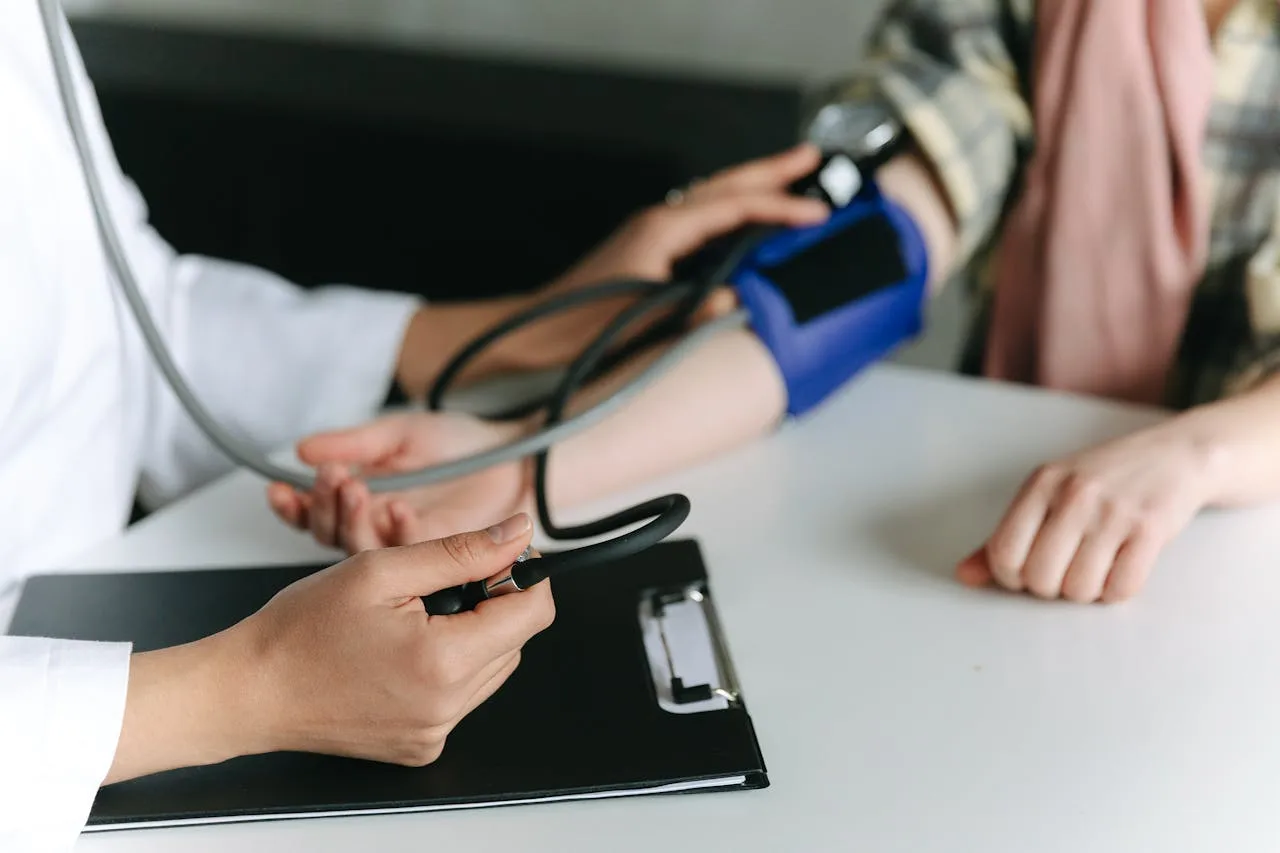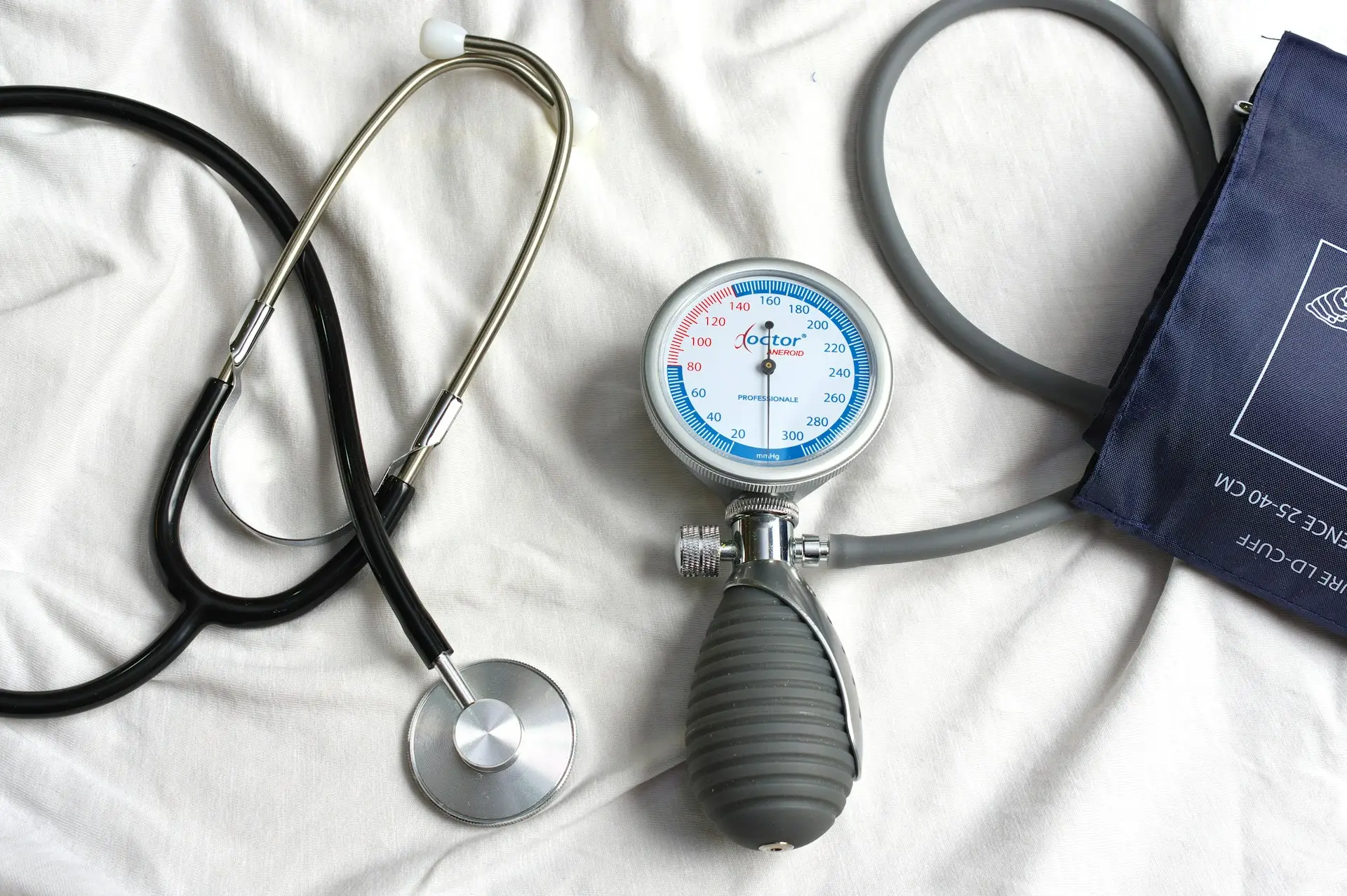

High blood pressure (hypertension) is a serious health condition that affects more than a billion people worldwide. Less than half of adults with it know they have it, and only about 20% have it under control. Often called the “silent killer”, it can quietly damage your eyes, kidneys, heart, and brain over time.
People at risk of the condition or those currently living with it can take charge of their blood pressure with simple, natural lifestyle changes.
Here are 12 science-backed ways to support a healthier blood pressure and general welfare.
1. Eat a blood pressure-friendly diet
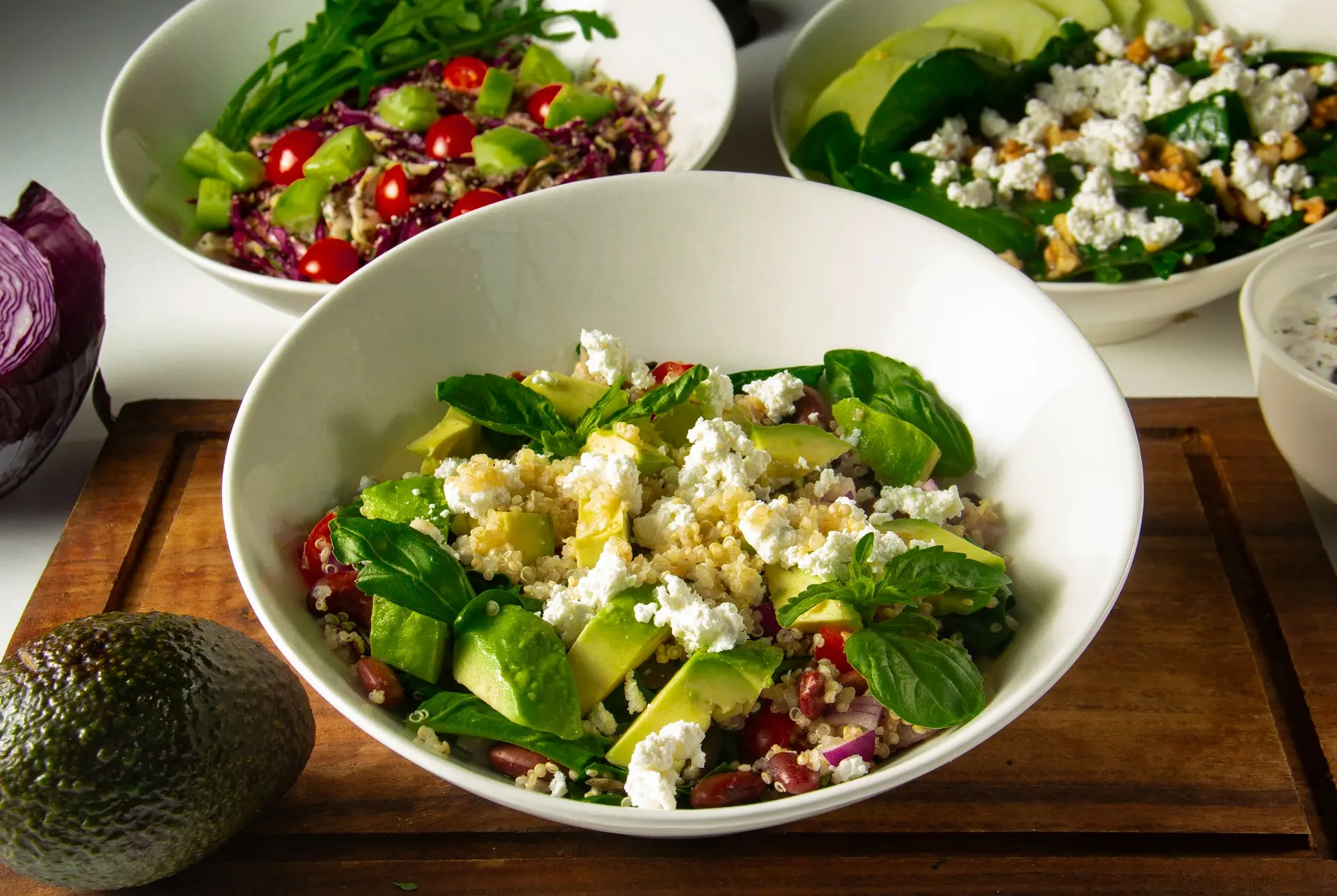
Nutrients like potassium, magnesium, calcium, and fiber help regulate blood pressure by relaxing blood vessels and improving blood volume control. These nutrients can be gotten by adhering to blood pressure-lowering diets, such as the DASH and Mediterranean, which emphasize fruits, vegetables, whole grains, and low-fat dairy products.
Dietary restriction of fatty foods can decrease the levels of bad cholesterol in your blood, which improves blood vessel wall function and lowers your blood pressure further.
2. Stay physically active
Regular physical activity lowers blood pressure by improving blood vessel wall flexibility and promoting better blood flow.
Even though any amount of physical activity can be helpful, you should aim for at least 30 minutes of moderate intensity aerobic activity, at least 5 days a week. Some activities you can engage in include: cycling, swimming, brisk walking, dancing, running, and lawn mowing.
Incorporating strength training into your exercise program at least 2 days a week can provide even greater benefits for both blood pressure and overall health. Weight lifting, planks, pull-ups, squats, and hand grip exercises are examples of strength exercises you can do.
3. Watch your sodium intake
High sodium intake, mostly due to consuming salt-rich foods, causes the body to retain water. This increases your blood pressure.
It is generally recommended that adults consume no more than 2,300 mg of sodium per day, with the ideal target being less than 1,500 mg. The response of blood pressure to sodium varies from person to person, probably due to genetic differences.
Reducing your sodium intake gradually makes it easier to achieve your goals without backsliding. Start by choosing low-sodium foods at the store, eating home cooked meals, and cooking with herbs and spices instead of salt.
4. Maintain a healthy weight
Being overweight or having obesity puts strain on your heart and increases your risk of high blood pressure. Even small amounts of weight loss can improve your cardiovascular health.
If your weight falls within the healthy range (BMI of 18.5–24.9 and a waist circumference under 40 inches for men or 35 inches for women), it’s still important to maintain it.
Regular exercise, healthy eating, and calorie counting are usually enough to attain and maintain a healthy weight in most people. Medication and weight loss surgery may also be necessary in some people with obesity.
5. Limit alcohol consumption
Heavy alcohol intake stimulates the nervous system, can affect kidney function, and impairs blood vessels wall function, all of which contribute to raised blood pressure.
On the other hand, moderate drinking may offer cardiovascular benefits in some people and no benefits in others. Moderate drinking is where somebody takes no more than 2 drinks per day if male and 1 drink if female. One drink equals 12 ounces (oz.) of beer, 5 oz. of wine, or 1.5 oz. of spirits.
If you’re looking to cut back on alcohol, start by setting a weekly limit and keeping track of how much you drink. Opt for smaller glasses or alcohol-free alternatives like sparkling water with lime, mocktails, and herbal teas.
6. Quit smoking
Tobacco cigarettes contain nicotine, a chemical that causes a temporary spike in blood pressure and heart rate. Over time, it contributes to narrowing of the arteries and a sustained increase in blood pressure.
Quitting smoking allows your heart and blood vessels to heal and function better. It also indirectly improves blood pressure control by lowering your levels of blood cholesterol and reducing the risk of getting type 2 diabetes.
There is no safe level of smoking. Smoking cessation can be difficult, so you may need to seek support from loved ones and healthcare professionals. Setting goals for smoking cessation and avoiding triggers like stress and alcohol can also be helpful.
7. Get enough quality sleep
During deep sleep, blood pressure naturally dips. Sleep disturbance or too little sleep can disrupt this cycle and lead to consistently elevated blood pressure.
You need to aim for 7–9 hours of uninterrupted sleep every night. To get good quality sleep, keep a consistent sleep schedule, limit daytime naps, create a calming bedtime routine, and avoid screens and caffeine before bed.
If you snore, experience periods of interrupted breathing during sleep, or feel excessively tired during the day, consult a doctor to check for obstructive sleep apnea (OSA). It is one of the causes of secondary hypertension and can make existing high blood pressure resistant to treatment.
8. Manage stress effectively
Chronic stress activates the “fight or flight” response, releasing hormones that raise heart rate and narrow blood vessels. It can also contribute to high blood pressure by triggering unhealthy coping habits like smoking, alcohol intake, eating an unhealthy diet, and poor sleep habits.
If you’re constantly experiencing stress, find a stress-relief practice that fits your lifestyle and do it regularly. Even just 10–15 minutes a day can create a difference. You can focus on stress management techniques like meditation, deep breathing exercises, listening to music or podcasts, exercising, spending time in nature, and practicing gratitude.
9. Control blood sugar if you have diabetes
Diabetes and high blood pressure often occur together, sharing similar risk factors like obesity and chronic alcohol intake. Poorly controlled blood sugar can stiffen arteries and impairs kidney function, raising blood pressure.
If you have diabetes, work with your doctor to come up with a blood sugar target that’s best for you. Monitoring your blood sugar regularly, staying active, eating a diet low on refined carbs, and taking anti-diabetes medications will be helpful for managing diabetes and keeping your blood pressure in check.
10. Take natural supplements
Certain supplements have blood vessel-relaxing, antioxidants, or diuretic effects. These enable them to lower blood pressure. Examples include:
- Omega-3 fish oil supplements
- Magnesium supplements
- Potassium supplements
- Coenzyme Q10 (CoQ10) supplements
- Garlic supplements
While these supplements have shown potential benefits for blood pressure, more research is needed to confirm their effectiveness and long-term benefits.
Talk to your doctor before taking any supplements, especially if you’re on any prescription medications. These supplements shouldn’t replace antihypertensive medications.
11. Limit exposure to air pollution
Fine particles in polluted air pass from the lungs into the bloodstream. Here, they narrow blood vessels and may even damage them by causing inflammation and oxidative stress. Prolonged exposure to polluted air is associated with increased risk of hypertension and hypertension-related organ damage.
During periods of high pollution, limit outdoor activities or wear a facemask. If you live in a high-pollution area, consider using indoor air purifiers and try to spend more time in parks or gardens instead of near busy roads and industrial parks.
12. Use digital tools and trackers
Technology can help you stay on top of your health goals. Consistent and correct use of validated digital tools supports healthy habits, encourages early medical interventions, and keeps you informed.
Helpful tools to consider include home blood pressure monitors, fitness trackers, medication reminders, goal-setting apps, air quality monitors, nutrition apps, and sleep trackers.
It’s a good idea to check in with your doctor to ensure the reliability of any tools you use. Sharing the data of these tools with the doctor can also help them adjust your treatment plan more effectively.
Do I still need medication if I follow these methods?
People without hypertension can use these methods alone to maintain a healthy blood pressure.
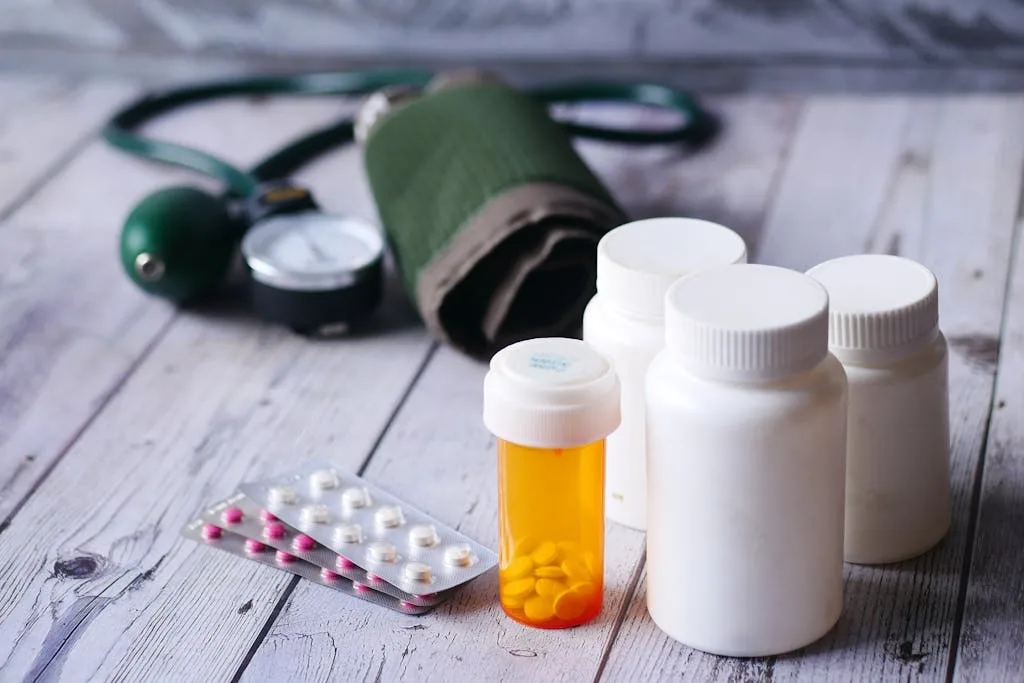
In many cases of hypertension, natural methods can help reduce the need for medications, but they don’t always eliminate it. People with moderate to severe hypertension or other health conditions still require medications to keep their blood pressure down.
In people already taking antihypertensive medications, these methods can make medications more effective and may even allow for lower doses over time.
How quickly can these methods lower blood pressure?
Some lifestyle changes, such as reducing sodium intake, getting regular exercise, and managing stress can show effects within a few days. However, most of the changes take time to show their effect.
The benefits you experience will depend on your overall health and how consistently you follow blood pressure-lowering habits. If you’re having trouble sticking to them, consider seeking support from loved ones, healthcare professionals, or support groups—either online or in person.
What should I remember?
Managing high blood pressure doesn’t always mean relying only on medication. Simple science-backed daily habits, like eating well, staying active, cutting back on salt and alcohol, and getting enough sleep, can make a real difference.
The key is consistency. Small steps, taken regularly, add up. Whether you’re trying to prevent hypertension or manage it better, start with one or two changes and build from there.
Always talk to your doctor before making big changes, especially if you’re on medication or have other health conditions.