
You’ve probably heard that cutting back on sodium can help lower blood pressure. But potassium—a mineral that’s often overlooked—can play an important role too. Besides supporting blood pressure control, it also helps your muscles and nerves to function properly.
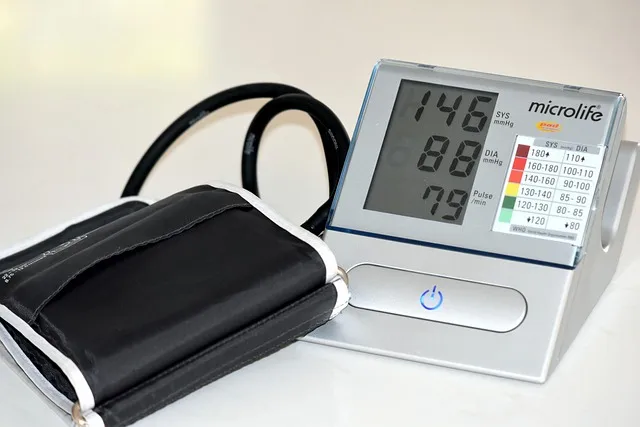
Blood pressure is the force of blood pushing against the walls of your arteries. When it’s consistently too high, it can damage your blood vessels and lead to serious problems like kidney disease, heart disease, or stroke.
To manage high blood pressure (hypertension), it’s essential to exercise regularly, maintain a healthy weight, limit alcohol, take prescribed medications, and eat a blood-pressure friendly diet. This is where getting enough potassium can help.
How does potassium lower blood pressure?
Increasing your potassium intake is essential for maintaining healthy blood pressure. If you’re on blood pressure medications, it may even help reduce the number or dosage of drugs you need over time. High potassium is also linked to a lower risk of stroke.
The mineral works by:
- Helping your kidneys flush out excess sodium. The more potassium you eat, the more sodium you pass out through urine. Lower sodium levels are associated with reduced blood pressure.
- Relaxing your blood vessel walls. This widens your vessels, allowing blood to flow through more easily and lowering blood pressure.
How much potassium do I need?
The U.S. National Institutes of Health generally recommends that adult men get 3,400 mg of potassium per day, while women should aim for 2,600 mg per day. On the other hand, the World Health Organization recommends that adults consume 3,510 mg of potassium per day.
If you’re trying to prevent or manage high blood pressure, the American Heart Association recommends aiming a bit higher, i.e. 3,500 to 5,000 mg per day.
Potassium is beneficial for most people. But, others may need to aim for lower daily intake. You will need to talk to your doctor before increasing your intake if you:
- Have kidney disease. Damaged kidneys may struggle to get rid of excess potassium, leading to dangerously high levels.
- Are taking certain medications, like ACE-inhibitors and potassium-sparing diuretics.
- Have poorly controlled diabetes.
- Have adrenal insufficiency—a condition where your adrenal glands don’t produce enough of certain hormones.
- Have liver disease.
High-potassium foods you should know about
Most people don’t get the daily recommended potassium intake. If you want to increase how much of the mineral you consume, the best way is to eat more potassium-rich foods. Examples include:
Fruits
- Bananas
- Oranges
- Avocados
- Dried apricots
- Cantaloupes
- Guavas
- Pomegranates
- Prunes
Vegetables
- Sweet potatoes
- Spinach
- Tomatoes and tomato products
- Beet greens
- Swiss chard
- Yams
- Potatoes
Legumes and nuts
- Lentils
- Kidney beans
- Soybeans
- Almonds
- Chickpeas
- Lima beans
Dairy
- Low-fat milk
- Yogurt
- Buttermilk
- Ricotta cheese
- Cottage cheese
Meats and fish
- Salmon
- Tuna
- Halibut
- Cod
- Trout
- Goat
- Chicken
How can I eat healthy potassium-rich meals?
To boost your potassium intake while still consuming meals you like, you should:
- Use salt substitutes to flavor your food. Compared to regular salt, they contain more potassium and less sodium.
- Build balanced meals around potassium-rich foods. For example, you can eat a bowl of spinach and lentil salad with olive oil dressing followed by a banana or yogurt. This means you get enough potassium but also fiber, protein, and healthy fats.
- Use cooking methods that preserve potassium, such as steaming or roasting vegetables instead of boiling them. If you must boil, use the cooking liquid in soups or sauces to reclaim lost potassium. Also, avoid overcooking if possible.
- Stock your kitchen with foods high in potassium. This makes it easier to make them part of your meals.
Are potassium supplements safe?
Doctors typically prescribe potassium supplements in people who have a deficiency due to a certain medical condition or medication.
But for most healthy adults, focusing on high-potassium foods is safer than taking potassium supplements. That’s because the supplements provide the mineral in concentrated doses, which makes it easier to accidentally get too much.
The condition where the level of potassium in the blood becomes higher than normal is called hyperkalemia. It is a dangerous condition that can cause:
- Muscle weakness and pain
- Numbness
- Nausea
- Shortness of breath
- Irregular heart beats
- Cardiac arrest
The Takeaway
Your journey to better blood pressure could start with your next potassium-focused meal. Potassium helps with managing blood pressure by balancing out sodium and relaxing blood vessels. Most people don’t get enough, yet simply eating potassium-rich foods can make a big difference.
Potassium supplements may help in special cases, but they can increase your levels beyond normal.
If you have kidney problems or take certain medications, talk to your doctor before increasing your potassium intake.