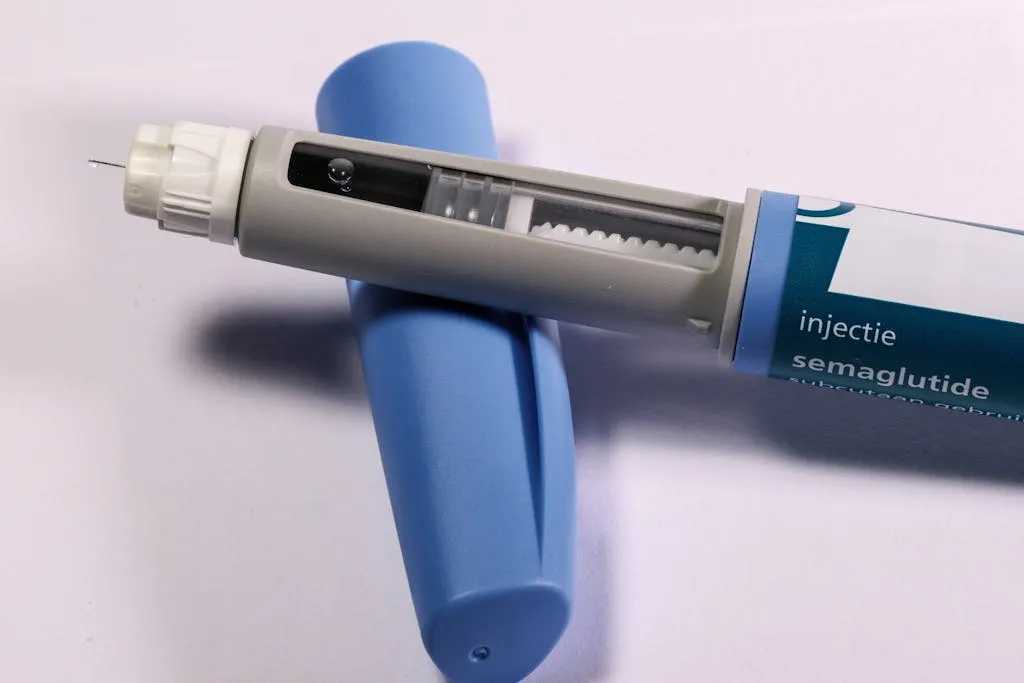
Glucagon-like peptide-1 (GLP-1) agonists, also called GLP-1 analogs, GLP-1 receptors agonists, or incretin mimetics, are a class of medications mainly used to control blood sugar (glucose) levels in people living with type 2 diabetes.
In recent years, they’ve become a household conversation because some can be used to manage overweight and obesity.
This article will cover examples of GLP-1 agonists, their side effects, and how they’re being used both in and beyond the world of diabetes care.
How do GLP-1 agonists do their work?
They attach to GLP-1 receptors and act like your body’s natural GLP-1 hormone, which is produced by the small intestine. Just like the natural hormone, these medications help lower blood sugar and support weight loss by:
- Signaling your pancreas to increase secretion of insulin, a hormone which reduces blood sugar by allowing your cells to use it for energy.
- Blocking glucagon secretion from your pancreas. Glucagon is a hormone which regulates processes that increase blood sugar.
- Reducing the amount of glucose produced by your liver.
- Working on areas in the brain that control appetite to increase satiety—the feeling of fullness after meals.
- Slowing the movement of food from your stomach to the intestines.
GLP-1 agonists are also preferred for people with type 2 diabetes and increased risk of heart and blood vessel disease because they have shown to:
- Contribute to lowering blood pressure.
- Decrease total blood cholesterol levels.
- Delay the progression of kidney disease.
- Improve heart function.
What are examples of GLP-1 agonists?
Most GLP-1 agonists are injected into the fat layer under the skin of the outer thighs, abdomen, upper buttocks, or upper arms. Examples currently used to treat type 2 diabetes include:
- Liraglutide (Victoza)
- Dulaglutide (Trulicity)
- Exenatide (Byetta, Bydureon)
- Semaglutide injection (Ozempic)
- Semaglutide tablets (Rybelsus)
Tirzepatide (Mounjaro) is a medication that is a dual GLP-1/GIP agonist. This means it also acts like gastric inhibitory polypeptide (GIP), a hormone that triggers insulin release.
GLP-1 agonists are also available in combination with artificial insulin to offer better blood sugar control, balance out insulin-associated weight gain, and keep your daily injection burden low. Examples of these combination forms include:
- Lixisenatide/insulin glargine (Soliqua)
- Liraglutide/insulin degludec (Xultophy)
Certain GLP-1 agonists are prescribed specifically to help with weight loss. They include:
- Semaglutide (Wegovy)
- Tirzepatide (Zepbound)
- Liraglutide (Saxenda)
- Orforglipron tablets (Foundayo)
What are the potential side effects of GLP-1 agonists?
Like any other medications, GLP-1 agonists come with possible side effects. Some are mild, and you’ll typically experience them when starting the medication or increasing the dose. These usually improve over time as your body adjusts. They include:
- Nausea
- Vomiting
- Diarrhea or constipation
- Loss of appetite
- Dizziness
- Headache
- Belching
Other side effects are more serious but rare. They include:
- Inflammation of the pancreas (pancreatitis)
- Gall bladder problems
- Worsening diabetic retinopathy
Some people, especially those taking exenatide, can develop antibodies to GLP-1 agonists. This may reduce how well the medication works. In some cases, it may cause allergic reactions with symptoms like:
- Redness, itching, or lumps at the injection site
- Swelling of the face or lips
- Shortness of breath
- Itchy skin rash
Who should not use GLP-1 agonists?
These medications are not safe for everyone. You may need to avoid them in certain situations or medical conditions, such as:
- Gastroparesis (a condition of slow stomach emptying)
- Inflammatory bowel disease
- Pregnancy or breastfeeding
- Personal or family history of medullary thyroid cancer
- Pancreatitis
- Severe kidney disease
- Personal history of an allergic reaction to a GLP-1 drug
- Diabetic ketoacidosis
What drug interactions should I be aware of?
GLP-1 agonists can interact with other medications in ways that affect how well either drug works, or increase the risk of side effects. Because they slow down stomach emptying, they may reduce the effectiveness of drugs that need to be absorbed quickly, such as:
- Pain relievers like paracetamol (Tylenol)
- Oral antibiotics
- Certain heart or blood pressure medications
- Oral contraceptives
GLP-1 agonists typically don’t cause lower-than-normal blood sugar levels (hypoglycemia) when used alone. But, combining them with other diabetes medications like insulin or sulfonylureas can increase your risk of hypoglycemia.
How can I get the most out of GLP-1 agonist treatment?
These drugs are often just one part of a broader treatment plan for managing type 2 diabetes, overweight, or obesity. For the best results, they should be combined with healthy lifestyle habits, like:
- Eating a healthy diet
- Exercising regularly
- Limiting alcohol intake
- Managing stress effectively
- Getting adequate sleep
Most people need to stay on GLP-1 agonists long term in order to maintain their benefits. If they’re stopped, weight typically returns gradually unless you’ve had weight loss surgery or healthy lifestyle habits are consistent.
In people with type 2 diabetes, blood sugar levels can rise again after stopping, unless another diabetes medication is used in their place.
You should also show up for routine interactions with your healthcare team. They can help monitor how well you’re doing on your medications and adjust your treatment plan depending on your results and how you feel. Monitoring while on these medications usually involves blood sugar tracking, weight tracking, and tests for kidney function.
Can GLP-1 agonists be used for type 1 diabetes?
They are not approved by the FDA for treatment of type 1 diabetes.
Some studies have shown that they can lower A1C slightly and support weight loss in people with type 1 diabetes. However, their safety and effectiveness is still an area of ongoing research.
For now, insulin remains the core treatment, and use of GLP-1 agonists in type 1 diabetes should only happen under close medical supervision.
Availability and cost of GLP-1 agonists
They are widely available for prescription, but cost and access can vary. In many countries, they are covered by insurance for type 2 diabetes, but not always for weight loss alone.
Without coverage, monthly costs can range from several hundred to over a thousand dollars, depending on the brand. For more information on local pricing and coverage options, always check with your healthcare provider and pharmacist.
In areas where brand name GLP-1 drugs are unavailable or too expensive, some people have resorted to counterfeit or compounded versions. These versions are not approved by the FDA because they aren’t evaluated for safety, quality, or effectiveness. Stick to FDA-approved medications prescribed by a healthcare professional and filled at a licensed pharmacy.
Are there natural alternatives to GLP-1 agonists?
Supplements like berberine, green tea extract, conjugated linoleic acid (CLA), and so on have been promoted in popular media as “nature’s GLP-1s”. While they have been studied and may help with weight loss, their effects are inconsistent across studies and weaker than those of prescription GLP-1 agonists.
Many commercially available supplements also contain multiple bioactive ingredients. These can interact unpredictability or cause serious side effects like liver damage, heart issues, or allergic reactions.
Before taking any weight loss supplements, talk to a healthcare professional, especially if you’re on other medications.
What should I remember?
GLP-1 agonists mainly work by reducing appetite, slowing digestion, and supporting insulin function. They are most effective when combined with habits like healthy eating, regular physical activity, and effective stress management.
They’re generally safe for most people but can have side effects like nausea, vomiting, diarrhea, headache, and dizziness.
Beware of unapproved versions, mostly sold online. They can be dangerous.
Always consult with your doctor before starting or stopping these medications. They aren’t magic fixes, but can be life-changing when used the right way.